Solo travel means you explore destinations independently, managing your own schedule and choices. As a backpacker, you’ll benefit from flexibility, personal growth, and cultural immersion, since solo trips are popular among younger travelers—especially women—aged 20 to 25, who favor hostels in places like Thailand and Vietnam. You can keep costs low, often spending under $2,000, while choosing affordable lodging and activities. If you want detailed insights into motivations, demographics, and travel styles, valuable information lies ahead.
Although solo travel has become increasingly popular among backpackers in recent years, its demographic profile and key trends reveal notable shifts in the travel landscape. If you look at who’s traveling alone, you’ll notice that most solo backpackers are between 20 and 25 years old, with about two-thirds falling into this range. Women make up over 80% of solo backpackers, and young women, in particular, are driving a large portion of the interest in backpacking.
Young women aged 20 to 25 now make up the majority of solo backpackers, fueling the surge in independent travel.
Curiously, solo backpackers aren’t exclusively single—around a third are married, and about 31% have children, showing a broad spectrum of family backgrounds. While the population of solo travelers is nearly evenly split between men and women, Millennials and Gen Z are especially prominent in leading solo trips. This growing trend is evident as interest in solo travel is up over 20% in 2024 compared to the previous year.
When you travel solo as a backpacker, you’re likely to prioritize cultural sightseeing, with 74% of female solo travelers seeking this experience. Nature exploration and wildlife encounters attract 71% of women traveling alone, highlighting the appeal of outdoor adventures. Many solo backpackers also seek authentic cultural immersion, with 64% aiming to deepen their understanding of local life. Solo travel comprises 18% of global bookings, indicating that traveling alone is a significant part of the overall travel industry. For those on tight budgets, many experienced backpackers utilize creative lodging options like couchsurfing and volunteering exchanges to stretch their travel funds further.
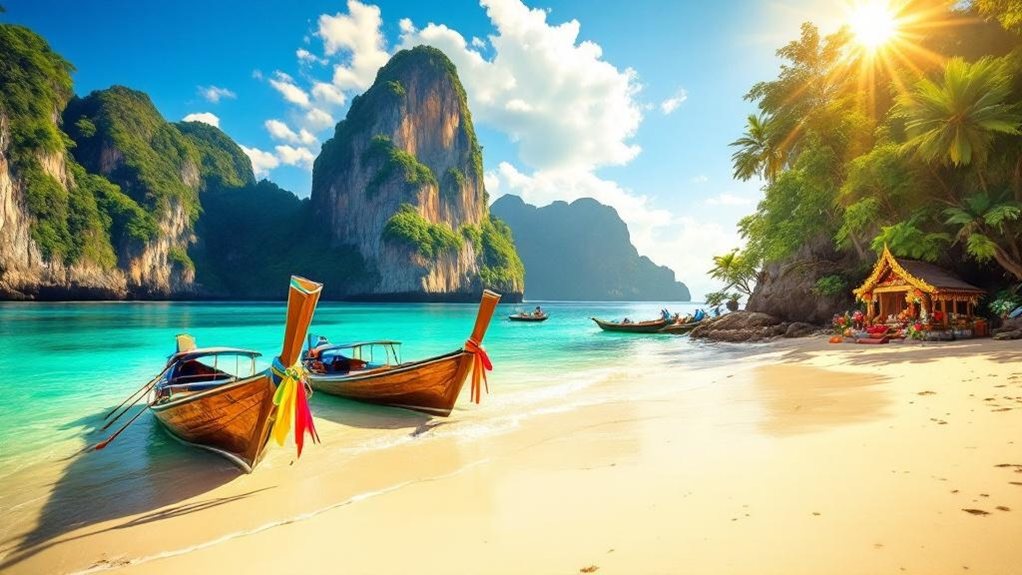
Popular destinations like Thailand and Vietnam, known for their rich cultural and natural attractions, draw backpackers due to their high hostel availability. In addition, 30% of backpackers plan to go off the beaten path, reflecting growing interest in less touristy areas.
Solo travel isn’t just a passing trend. Online searches for solo travel increased over 20% in 2024, and the global solo travel market is expected to grow at an annual rate above 9% from 2023 to 2030. Female solo hostel bookings surged by 88% between 2015 and 2019.
Factors motivating solo backpackers include the desire to experience new cultures, self-discovery, personal growth, and increased flexibility. Safety improvements and the visibility of solo travel stories on social media have fostered greater confidence, especially among women.
Budget considerations play a significant role, with nearly half of solo travelers spending under $2,000 per trip and over 80% opting for hostels, while online reviews guide their accommodation choices.