To stay cool while hiking in hot weather, wear light-colored, loose-fitting clothing made of moisture-wicking materials like nylon or polyester, and avoid heavy cotton unless in a dry climate. Choose trails with shade and access to water, starting early to skip midday heat. Drink plenty of water and bring electrolyte replacements to prevent dehydration. Rest frequently in shaded areas, wet your hat for added cooling, and watch for signs of heat illness. More effective tactics are available with further exploration.
When temperatures rise, staying cool while hiking requires careful planning and informed choices. You’ll want to focus on selecting the right clothing first. Choose light-colored, loose-fitting garments, as these reflect sunlight and allow air to circulate more freely, helping your body dissipate heat. Breathable materials such as nylon and polyester are ideal since they manage moisture efficiently and dry quickly. Moisture-wicking fabrics draw sweat away from your skin, keeping you drier and more comfortable. In dry climates, wearing cotton can also help, since it holds moisture and releases it gradually, offering an evaporative cooling effect.
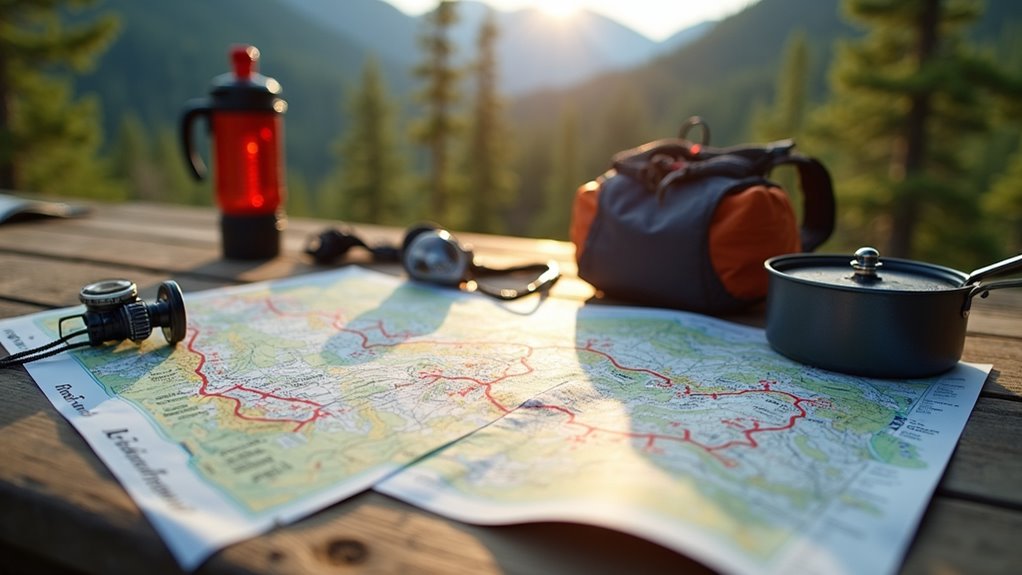
Before heading out, check the local heat index and humidity levels to understand what you’ll face. Even in cooler seasons, unexpected high temperatures can occur, especially in exposed or inland regions. Always monitor weather alerts for heat advisories or potential bush fire risks, and stay updated on trail conditions, opting for shaded or forested routes when possible. Trails with water features, such as streams or lakes, offer opportunities for cooling off, while early morning or night hikes can help you avoid the day’s peak heat. Patagonia’s Capilene Cool fabric is a great choice for hot hikes, as it is quick-drying, moisture-wicking, and offers UPF 50+ protection. South-facing slopes receive more sunlight and should be avoided to reduce direct exposure.
Check the heat index and weather alerts before your hike, and choose shaded trails to stay safe in unexpected high temperatures.
Hydration is critical—carry enough water to drink consistently throughout your hike, and include electrolyte replacements to counteract losses from sweat. Focus on eating smaller, energy-rich meals and snacks high in carbohydrates and proteins, as heavy meals may cause discomfort in the heat. Identifying water sources before your hike and carrying a small filter can help ensure you have access to safe drinking water during longer outings.
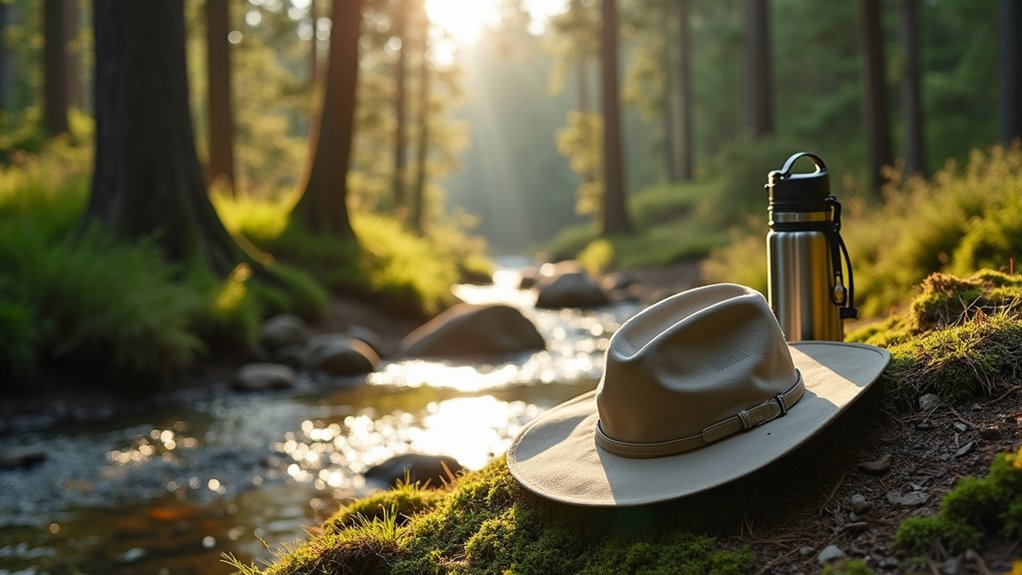
Implement cooling strategies during your hike. Wetting your hat or a bandana and placing it on your head or wrists can help lower your body temperature through evaporative cooling. Use open shirts or buffs for increased airflow, and always rest in shaded areas to allow your body to recover from the heat.
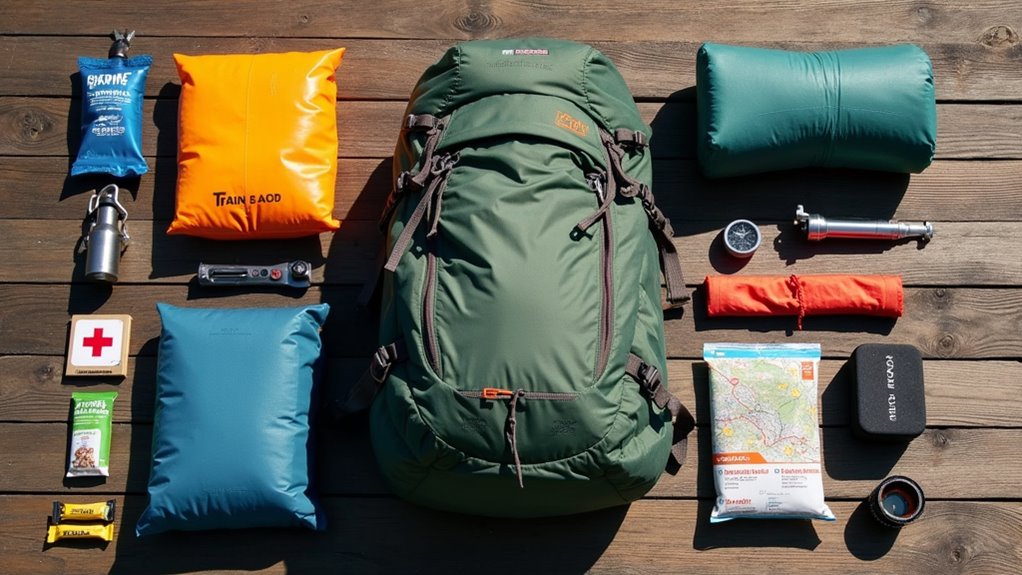
Finally, recognize signs of heat-related illnesses such as dizziness, nausea, or confusion. Always carry a first aid kit and reliable communication devices, and hike with a group if possible for added safety. Familiarize yourself with your route and plan for emergencies, ensuring you can respond quickly if conditions worsen.