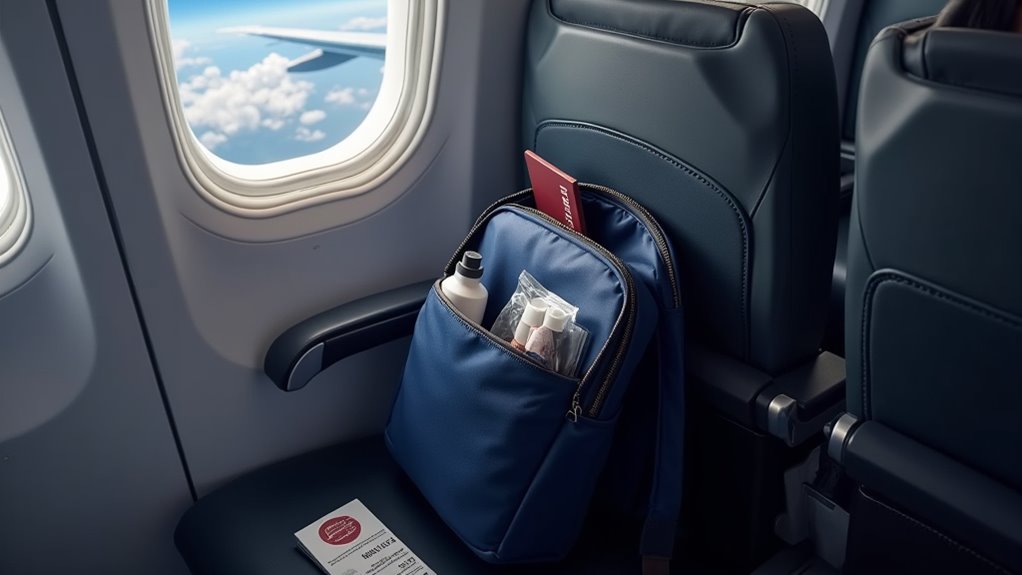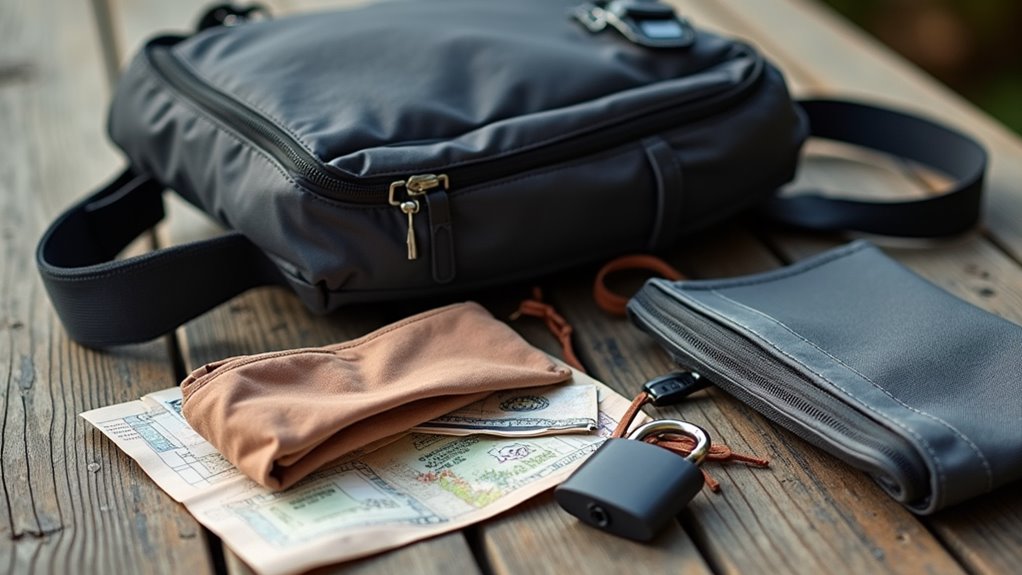

To hide money safely while traveling as a backpacker, split your cash between secure locations such as a hostel locker, a wearable hidden pouch like a money belt, and a discreet stash inside clothing or shoes. Always keep daily spending money easily accessible, but save emergency funds in harder-to-reach places, ideally waterproofed for humid climates. Opt for anti-theft backpacks and RFID-blocking wallets, adapting your strategy to local risks. By following these steps, you’ll get more options to safeguard your finances.
When you travel, safeguarding your money is essential, as theft, loss, or unforeseen emergencies can happen at any stage of your journey. As a backpacker, you face unique risks from busy transit hubs, shared accommodations, and unfamiliar environments. To minimize your exposure, start with traditional storage methods—use hotel safes or hostel lockers for electronics, passports, and the majority of your cash, especially when you leave your room.
For valuables you must carry, opt for wearable hidden pouches such as neck wallets or money belts under your clothing, which keep your essentials accessible yet discreet. Lock your luggage with padlocks in dorms or transit, and consider a decoy wallet containing a small amount of cash to distract potential thieves. Making copies of your credit cards and IDs before you leave can help you react quickly if anything goes missing abroad.
Body concealment is another layer of defense. You can hide spare bills in your shoes, either under the insole or within a sliced lining, though this can cause discomfort or odor over long periods. Clothing modifications—like discreet slits in collars, wristbands, or hemmed waistbands—can stash notes securely.
Travel underwear with sewn-in pockets or leg wallets strapped beneath your pants provide hands-free, snug storage. Underarm holsters are effective and remain undetectable beneath jackets or shirts, especially when you use non-metallic models to avoid airport scanners. U.S. airports mishandled over 721,000 checked bags in the first three months of 2023, which highlights the importance of keeping your most critical valuables on your person rather than in checked luggage.
Diversify your storage: never keep all your money in one place. Split cash between a locker and a body stash, and prioritize easy access for daily expenses while keeping emergency reserves less accessible. Waterproof bags protect currency in humid regions or near water, and minimalist packing helps you track valuables and reduces theft targets.
Photocopy your IDs and store backups separately from originals in case of loss. Leverage technology where possible—GPS trackers in luggage, silent zipper alarms, anti-theft backpacks, and RFID-blocking wallets defend against both physical and digital theft. Mobile banking apps let you access funds remotely, reducing the need to carry large cash sums. Choosing affordable destinations can also reduce the amount of cash you need to carry, making security management easier while traveling.
Finally, adapt your strategy to local crime risks, currency types, payment norms, and dress codes, and maintain your chosen methods with regular checks and discreet replenishment.