You can typically pack for three to ten days in a standard carry-on bag measuring up to 22 x 14 x 9 inches, depending on your packing efficiency, destination climate, and access to laundry. Prioritize versatile, quick-drying clothing, limit shoes to one or two pairs, and use packing cubes or roll your clothes to save space. Always follow airline size rules and use a quart-sized bag for toiletries to comply with TSA regulations. For more detailed packing strategies and seasonal considerations, keep going.
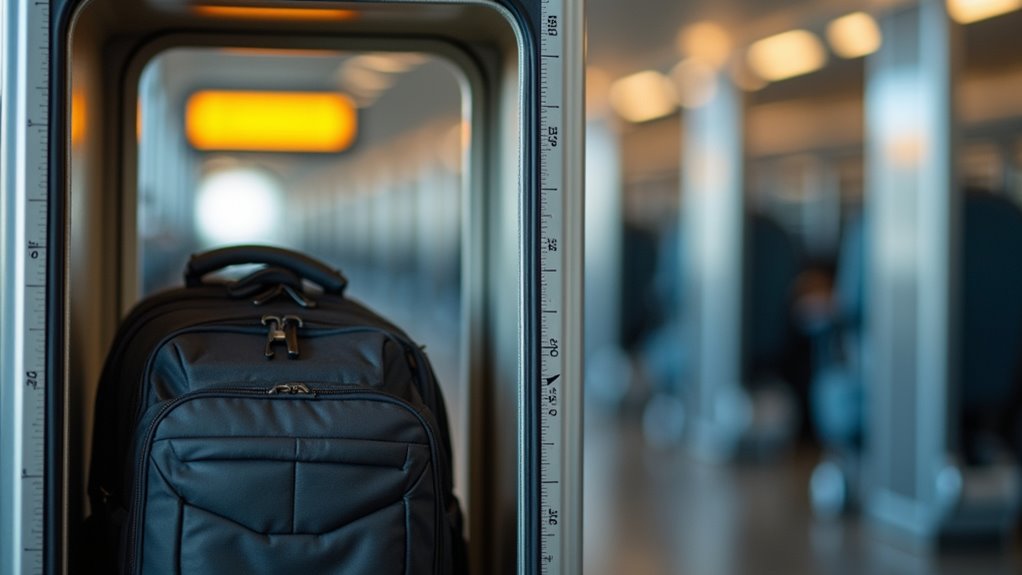
Packing for travel requires careful planning, as most airlines enforce strict guidelines on carry-on bag sizes, typically limiting them to 22 x 14 x 9 inches, including handles and wheels. When you’re evaluating how many days you can pack into this space, your choices depend on several factors, such as the length of your trip, the climate of your destination, and your personal needs.
Careful planning is key—airlines strictly limit carry-on sizes, so how long you can pack for depends on your trip and destination.
Most U.S. airlines allow one carry-on and one personal item, like a small backpack or purse, but size restrictions can vary, especially for personal items and on regional flights with limited overhead bin space. Medical or mobility devices do not count as a personal item, meaning you can bring them in addition to your standard carry-on and personal item allowance.
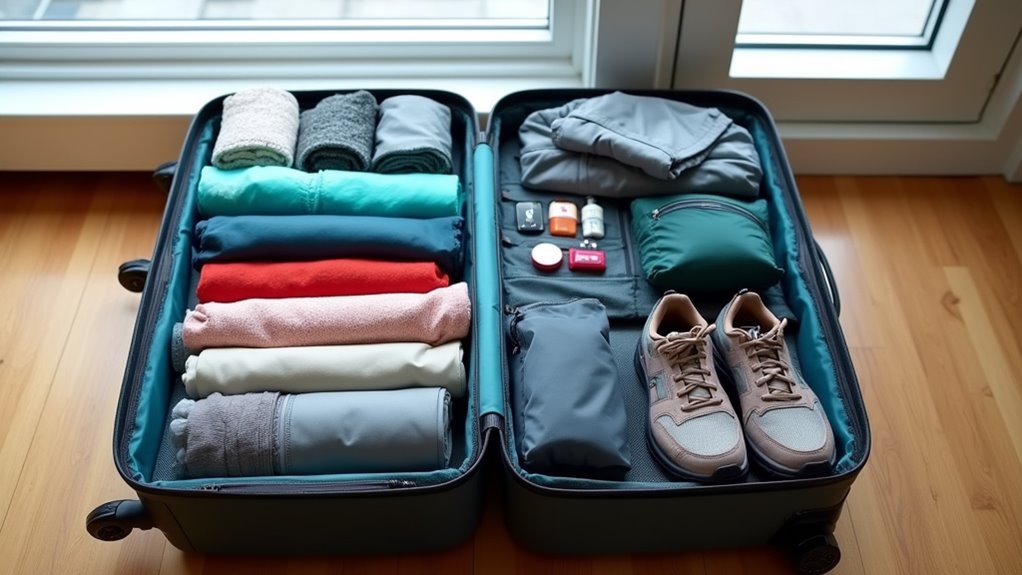
To maximize the number of days’ worth of clothing and essentials, you should focus on versatile, lightweight clothing that can be layered. Rolling your clothes rather than folding them saves space and helps prevent wrinkles, making it possible to pack more efficiently. Packing cubes can help organize your items and make it easier to access what you need quickly. TSA screening applies to all liquids, gels, and aerosols, so be sure to pack your toiletries in compliance with these regulations to avoid delays or having items confiscated. Choosing the right backpack with multiple compartments can provide better organization and improved access to your belongings while traveling.
For a typical short trip of three to five days, you can usually fit enough basics—such as quick-drying t-shirts, a pair of jeans, undergarments, and a compact toiletry kit—into a standard carry-on. If you stick to essentials and pack travel-sized toiletries in a quart-sized bag to meet TSA requirements, you’ll avoid unnecessary bulk.
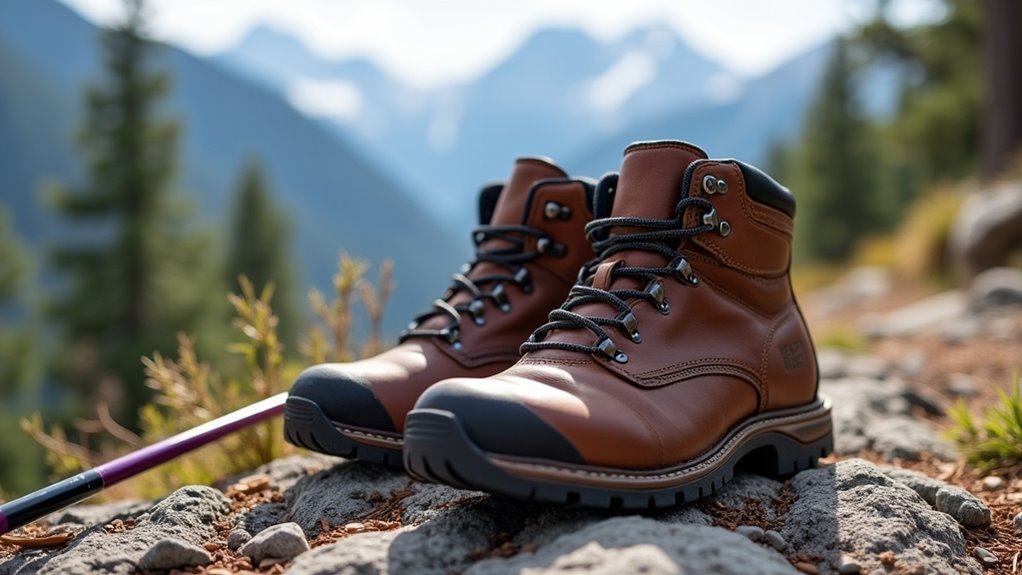
For longer trips, up to seven to ten days, you’ll need to take into account multipurpose clothing that can be mixed and matched, as well as options for laundry, like items you can hand-wash in a sink. Limiting footwear to one or two versatile pairs and opting for compact travel accessories, such as a lightweight rain jacket or travel blanket, further conserves space.
Seasonal considerations are also important; packing hats, gloves, or sunscreen depending on your destination’s climate is necessary but manageable if you use layering strategies.
Ultimately, with careful selection and efficient packing methods, you can fit enough for up to a week or even ten days in a carry-on, provided you’re strategic about what you bring and adapt to airline-specific restrictions.