When hiking, you should drink about half a liter (17 ounces) of water per hour under moderate conditions, increasing up to one quart (32 ounces) per hour if you’re hiking in hot, humid, or high-altitude environments. Start hydrating before the hike, and continue drinking small amounts every 10–15 minutes to prevent dehydration. Monitor your urine color for hydration status, and use electrolyte drinks during strenuous activity. Proper hydration is essential for performance and safety; further tips and strategies await ahead.
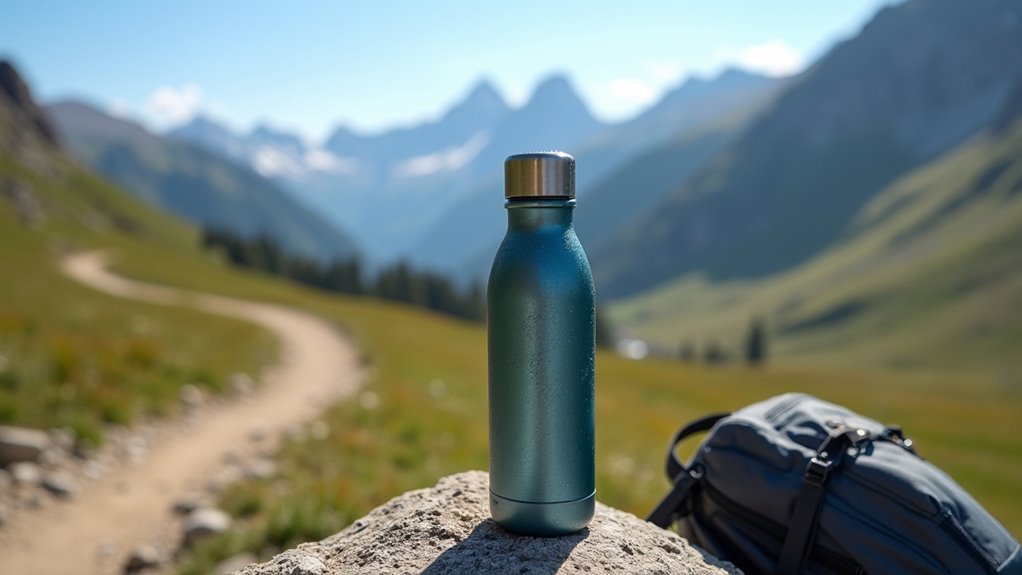
How much water should you actually drink when hiking? For most hikers, the standard recommendation is about one half-liter—roughly 17 ounces—of water per hour during moderate activity. This guideline guarantees you stay adequately hydrated as you move along the trail.
However, your needs can change based on environmental factors and personal conditions. If you’re hiking in hotter temperatures, at higher intensities, or in humid climates, you may need to double your intake. On mild days, aim to drink about four ounces every 10 to 15 minutes. Drinking at regular intervals helps prevent dehydration and keeps your energy stable. Carrying extra water is crucial, especially for longer hikes or in areas where natural sources may not be reliable.
Hydration needs can double in heat or humidity, so adjust your intake and sip water regularly to stay energized on the trail.
Before you even step onto the trail, start hydrating early. Drink 17 to 20 ounces of water about two hours before your hike begins. This pre-hike hydration supports your body’s performance and helps you avoid an early energy crash. Sweating can cause dehydration quickly, especially in dry climates where sweat evaporates before you notice it, so it’s important not to underestimate your fluid loss.
Limit caffeinated beverages, since they’re diuretics and could increase fluid loss. Avoiding excessive caffeine on the morning of your hike is an important part of your preparation.
While hiking, keep monitoring your water intake, especially if conditions change. In hot, sunny, or high-altitude environments, your sweat rate increases, which means you’ll need to drink up to a quart (about 32 ounces) per hour.
Alternate between water and electrolyte-rich drinks to maintain fluid and sodium balance, which helps prevent muscle cramps and fatigue. Sports drinks or oral rehydration salts can be effective, especially on longer or more strenuous outings.
Pay attention to your body’s signals, but don’t wait until you’re thirsty to drink—thirst is a late sign of dehydration. Check your urine color; clear or pale yellow generally indicates you’re well hydrated.
After your hike, continue to drink water to replace lost fluids and aid in muscle recovery. Replenishing both fluids and electrolytes post-hike helps you avoid lingering dehydration symptoms and reduces muscle soreness.
Remaining vigilant about hydration before, during, and after your hike is vital for safety, performance, and comfort on the trail.