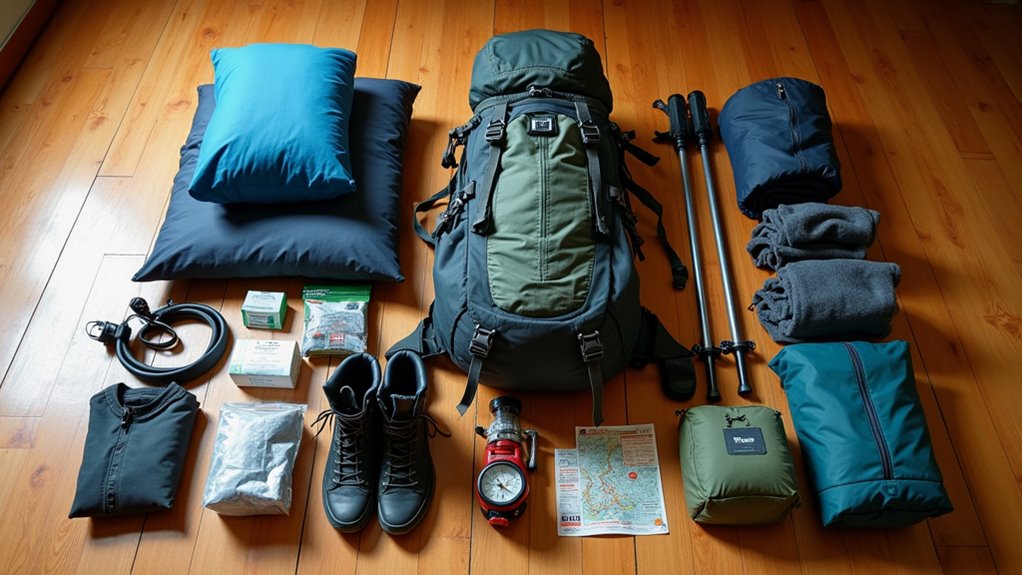
Before traveling as a backpacker, you need to carefully prepare your gear by selecting a 40-65 liter backpack, a weather-appropriate sleeping bag, and a lightweight tent. Pack moisture-wicking clothing and broken-in boots to guarantee comfort and prevent blisters. Bring a compact stove, water filtration system, and sufficient food supplies. Don’t forget a first aid kit, navigation tools like maps and a compass, and basic personal hygiene items. If you plan thoroughly, you’ll be ready for any challenge the trail presents.
Whether you’re planning a multi-day trek through remote wilderness or a weekend escape along established trails, packing the right gear is crucial for a safe and efficient backpacking experience. Before you depart, you’ll need to organize your equipment and verify each item serves a specific purpose.
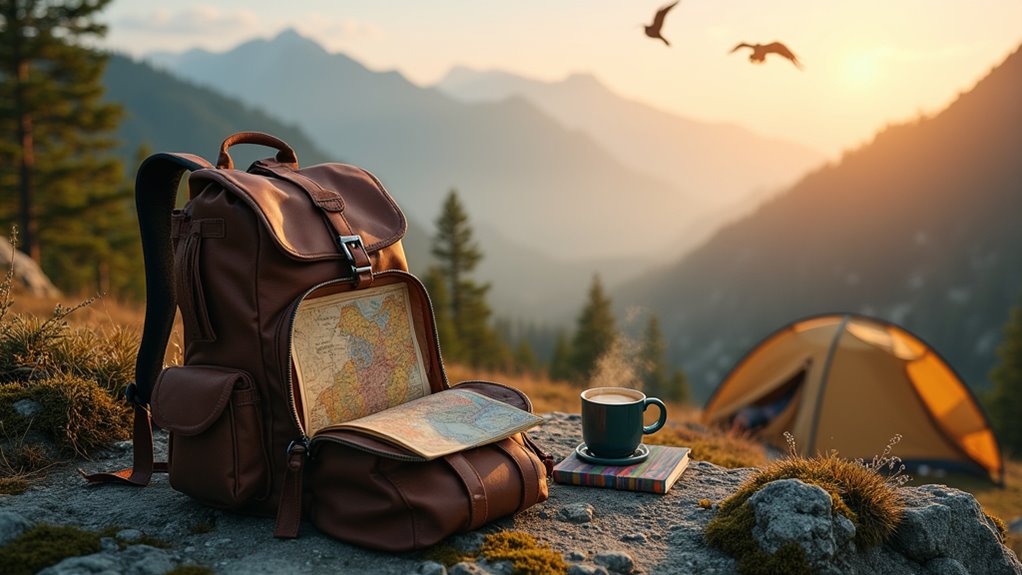
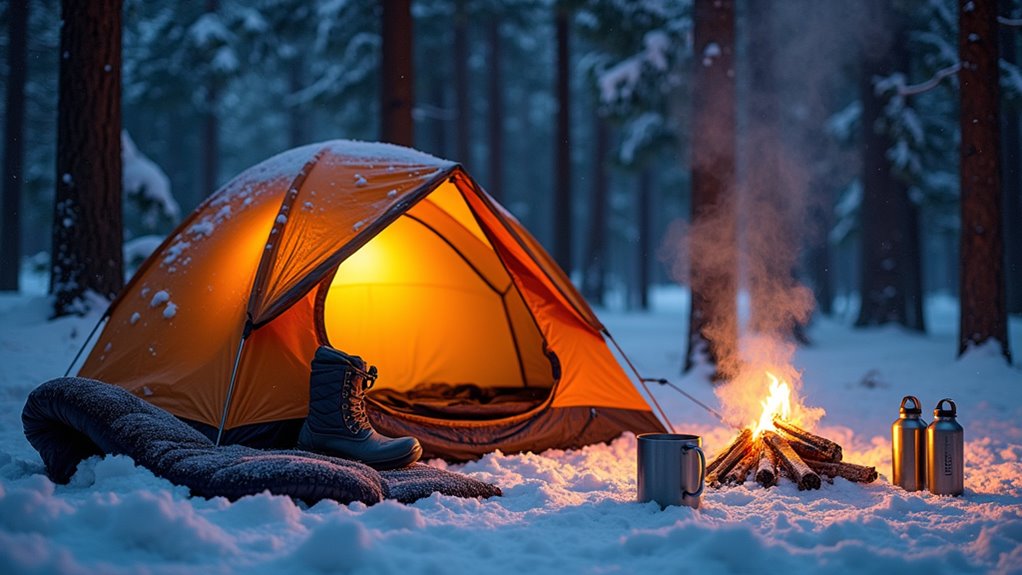
Start with your backpack, making sure it has enough capacity—usually between 40 and 65 liters for multi-day trips—to carry all your essentials. Select a sleeping bag appropriate for the expected temperatures, and pair it with a sleeping pad for insulation and comfort. Your tent should be lightweight yet durable, and trekking poles can help with stability and reduce strain on descents.
Choose a backpack with ample capacity, a suitable sleeping bag and pad, and a lightweight tent for comfort and protection on the trail.
Clothing choices play a major role in your comfort and safety. Choose hiking boots or shoes that fit well and are broken in to prevent blisters. Pack a non-cotton hiking top, hiking pants or shorts, and performance underwear or a sports bra to wick moisture and dry quickly. An insulating jacket is necessary for warmth in changing conditions, especially in high elevations or unpredictable weather. Don’t forget to roll clothes instead of folding them to save space and reduce creases in your pack.
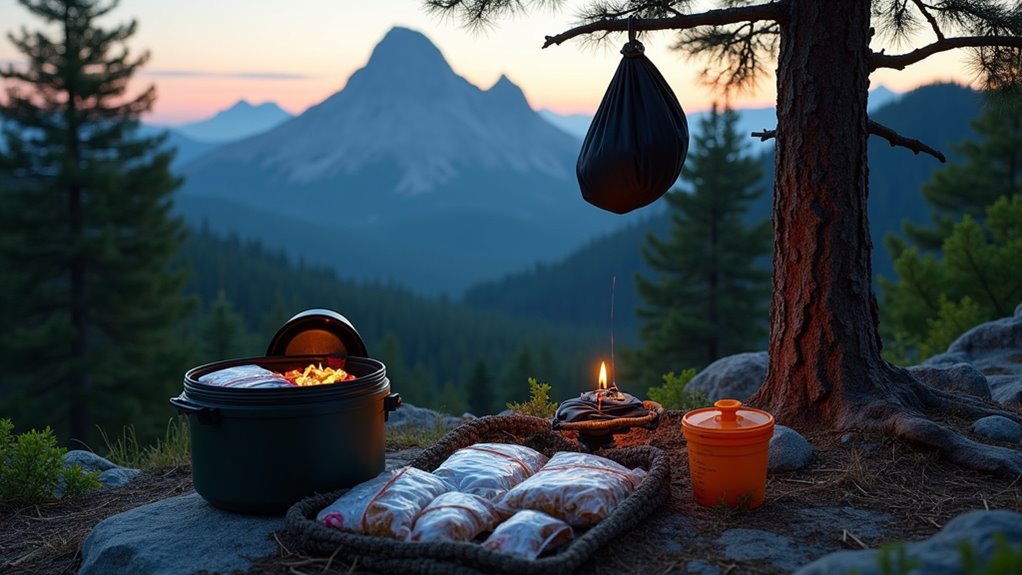
For food preparation, bring a compact stove with enough fuel for your trip, a cookset or pot, and a reliable eating utensil. A mug or cup will serve for hot drinks and soups. Hydration is critical; carry water bottles or a reservoir with adequate capacity for your route, and always have a water filter, purification tablets, or a hydration bladder. A collapsible water container can be useful for camp storage. Lightweight food items such as dehydrated meals and snacks help reduce your pack weight while ensuring you have enough calories for your journey.
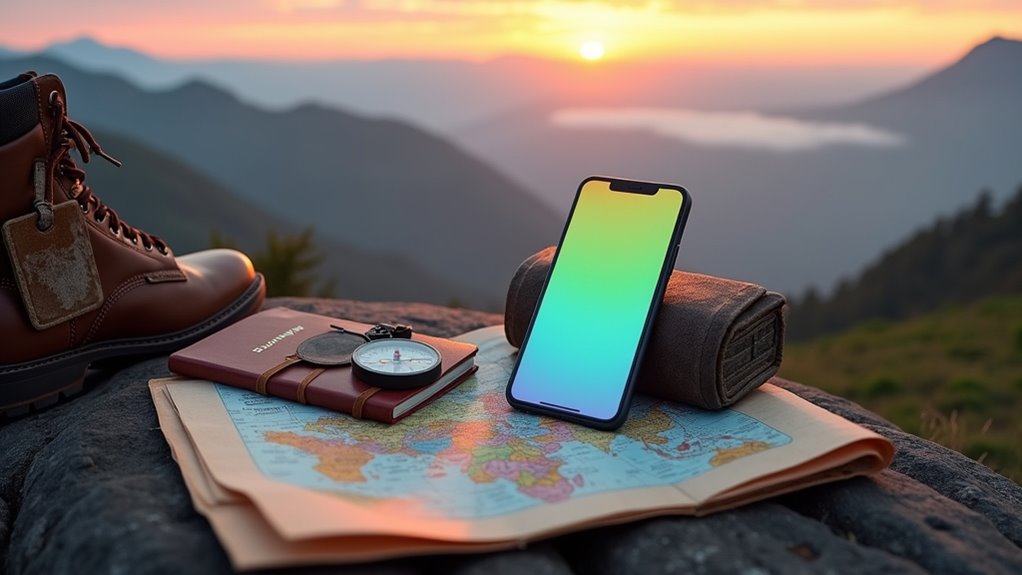
Safety should never be overlooked, so pack a thorough first aid kit, an emergency bivvy, a signaling mirror, a whistle, and a personal locator beacon for remote areas. Navigation tools such as maps and a compass are essential, even if you plan to use electronic devices. Consider bringing navigation tools that don’t rely on batteries to ensure you can find your way in any situation. Fire starters, a lighter, and a basic repair kit are also necessary for emergencies.
Finally, include essential personal items like sunscreen, sunglasses, hand sanitizer, biodegradable soap, and a toothbrush with toothpaste. Reviewing and checking each item before your trip verifies you’re prepared for a range of conditions, reducing risk and increasing your chances of a successful and enjoyable backpacking journey.