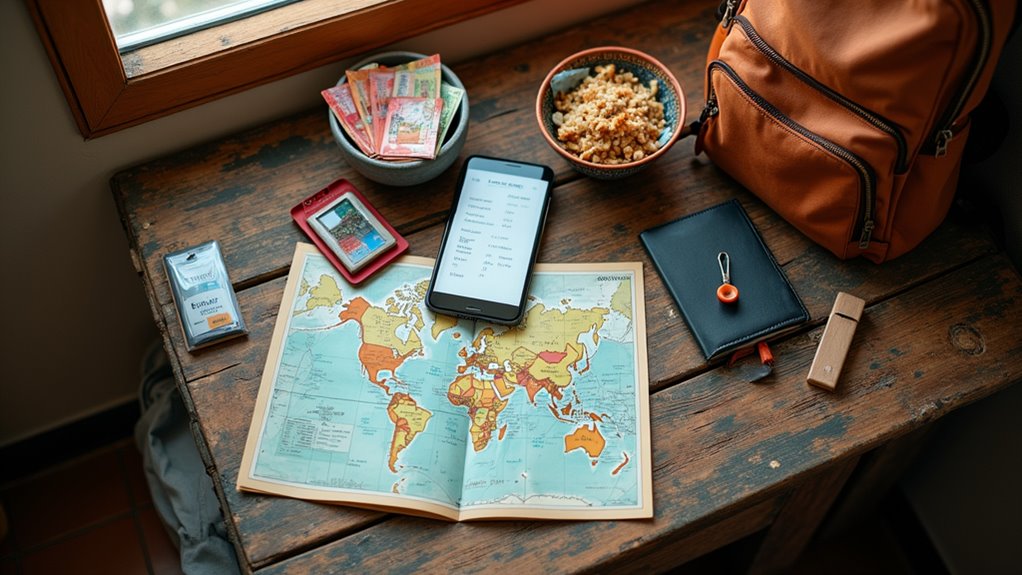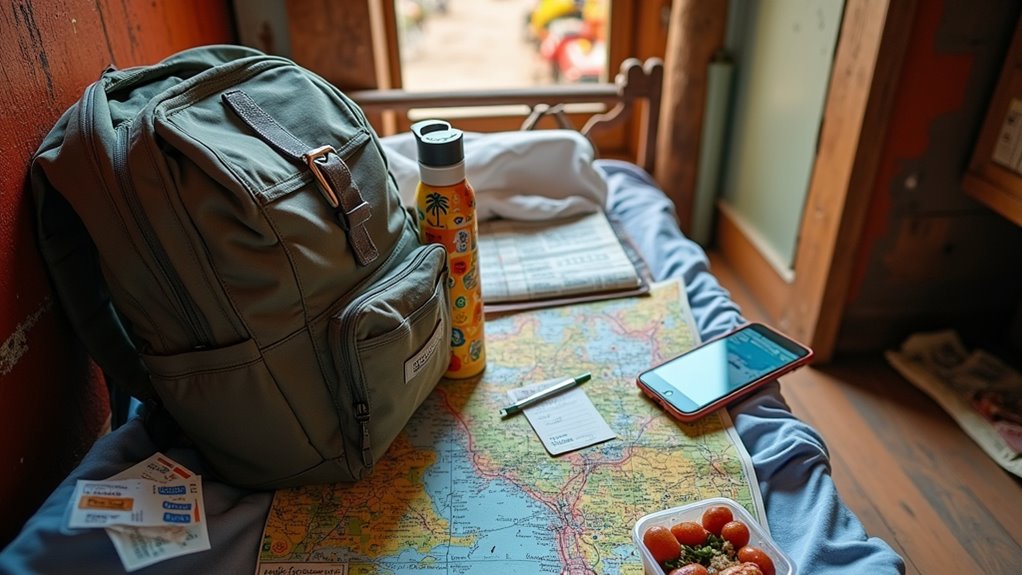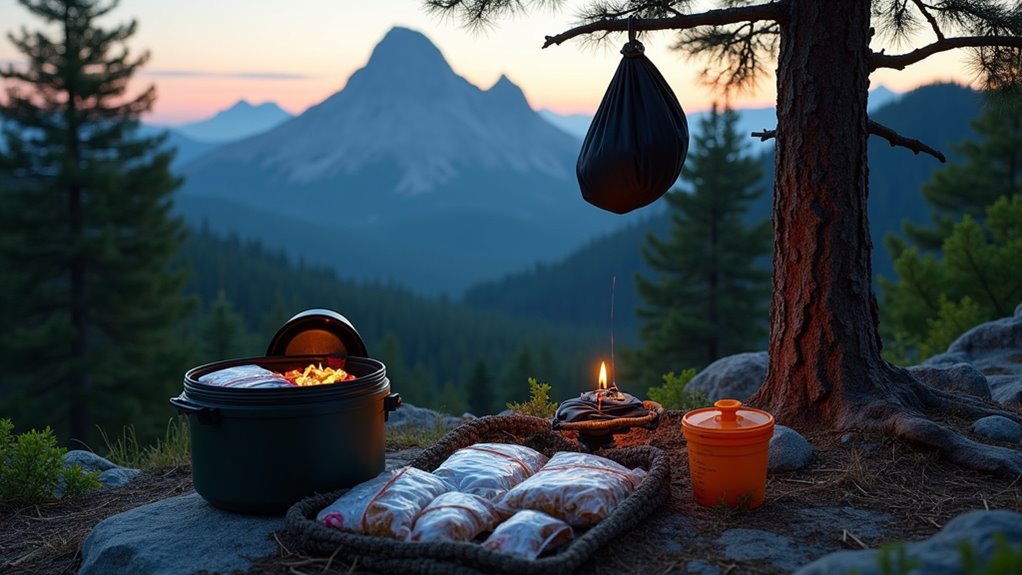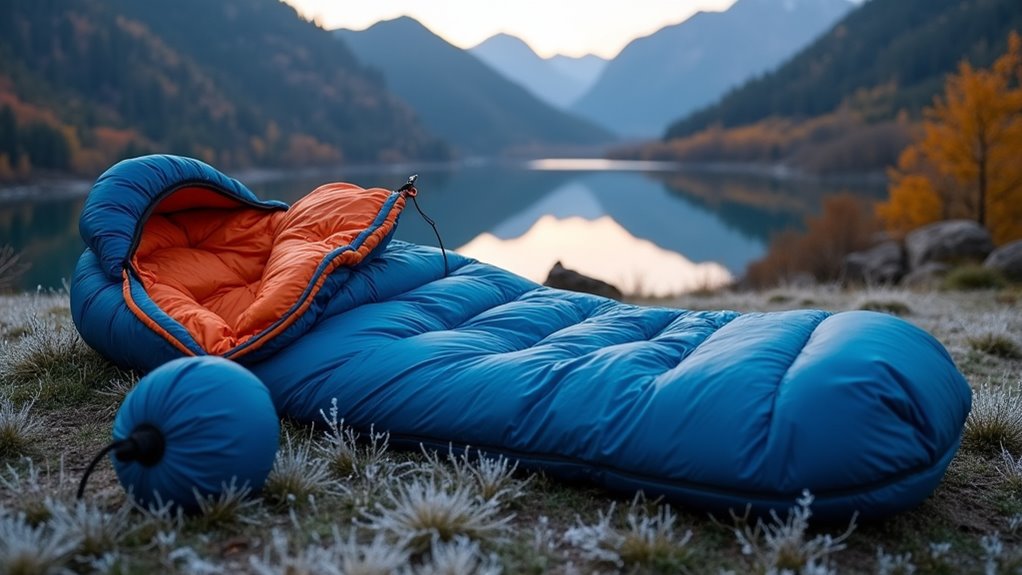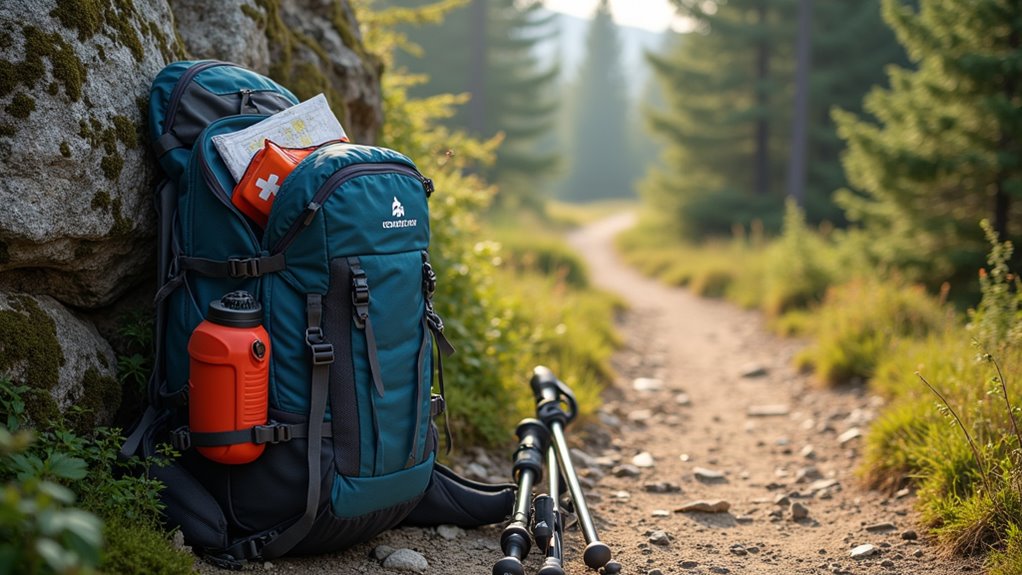
When hiking alone, start by telling someone your route and expected return time, then choose well-marked trails that match your experience and fitness. Pack essentials—map, compass, first aid kit, whistle, pepper spray, and a charged phone with emergency contacts programmed. Stay alert to wildlife, changing weather, and unfamiliar people, and keep updates on your progress. Know basic navigation and survival skills, and respect your limits to avoid overexertion or risky shortcuts. More effective solo hiking strategies await further on.
Although hiking alone offers the freedom to set your own pace and connect deeply with nature, it also requires careful preparation and heightened awareness to secure your safety. Before heading out, inform a trusted person about your planned route, expected start and finish times, and emergency contacts.
Studying the trail’s conditions and difficulty is essential for matching your physical ability and experience, while checking weather forecasts and sunset times helps you plan the hike within daylight hours. Always pack sufficient water, food, and clothing suited for changing weather, and carry a well-stocked first aid kit. Reviewing basic wilderness first aid skills before your hike guarantees you’re prepared for common injuries or emergencies.
Stay alert throughout your hike and avoid distractions like headphones, so you can hear critical environmental cues. Remain vigilant for wildlife and know specific responses for local animals you might encounter. If you cross paths with others who cause concern, trust your intuition—maintain distance or allow them to pass. Hiking poles provide support and can reduce strain on your knees, making them especially beneficial during solo hikes on varied terrain.
Regularly observe the terrain for hazards such as unstable ground, fallen logs, or sudden weather shifts, and project a confident demeanor to reduce the likelihood of unwanted attention. Opt for well-marked and well-traveled trails to further minimize the risk of getting lost or encountering unexpected hazards. Stick to well-marked and popular trails to minimize your risk of getting lost. Carry a map, compass, or GPS device, and guarantee you know how to use them.
If possible, periodically update someone on your progress with a mobile phone or satellite communicator. For areas with limited or no cell service, carry alternate communication tools like a whistle or an emergency beacon. Familiarize yourself with alternate routes or exit points along your trail. When hiking at high elevations, implement gradual acclimatization techniques to prevent altitude sickness and ensure you can complete your journey safely.
Equipping yourself with self-protection tools such as pepper spray, bear spray, or a whistle—according to local regulations—adds a layer of safety, provided you’re trained in their use. Include a multi-tool or knife for emergencies and keep your phone charged with emergency numbers pre-programmed.
Build essential survival skills, such as fire-starting or shelter-building, to handle unexpected overnight stays. Ultimately, respecting your physical limits, preparing mentally for solitude and challenges, and adhering to Leave No Trace principles all contribute to a safer and more confident solo hiking experience.