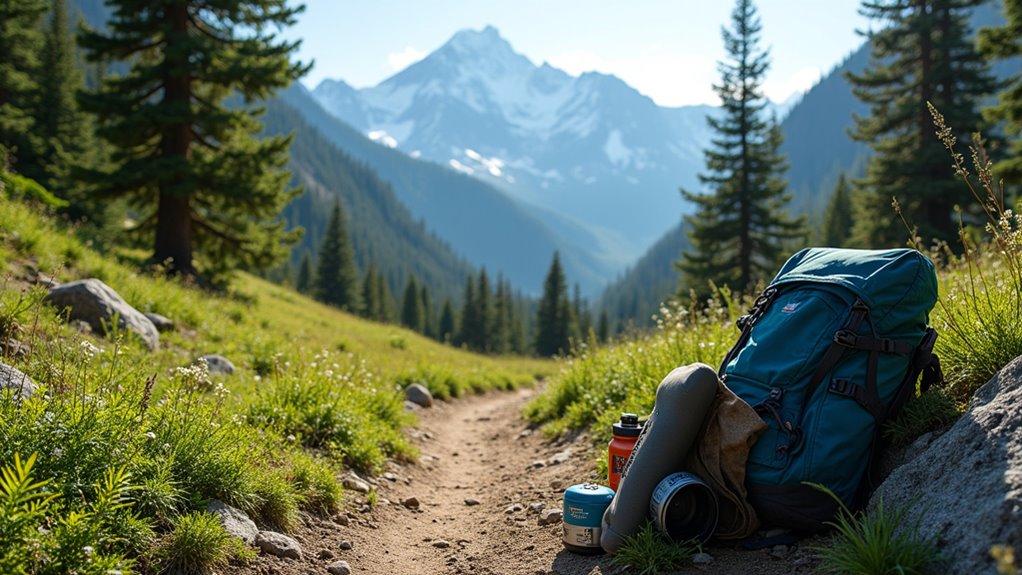

To start backpacking, choose easy to moderate trails that range from 5 to 8 miles daily on mostly flat terrain, and plan for one or two nights to get familiar with your equipment. Pack lightweight essentials, wear supportive footwear, and practice using your gear ahead of time. Condition yourself with loaded day hikes, learn basic navigation and first aid, and always inform someone about your itinerary. If you take these steps, you’ll soon know how to plan a successful trip yourself.
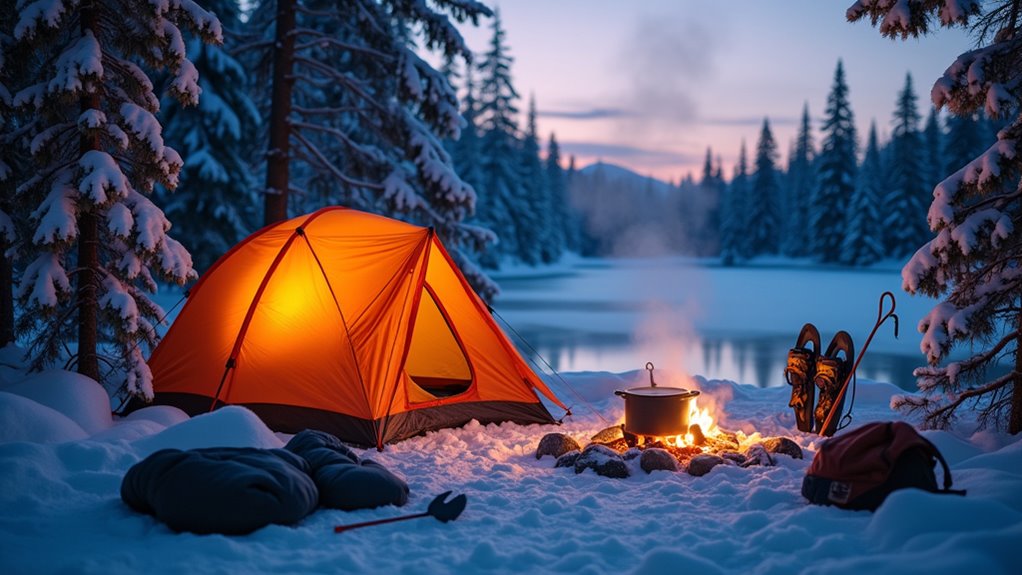
Starting your first backpacking trip requires thoughtful preparation and a solid understanding of essential hiking principles. When you choose your trail, prioritize easy or moderate-rated routes to build experience without overexerting yourself. Aim for daily distances between 5 and 8 miles (8 to 13 kilometers), sticking to fairly flat terrain for added comfort. Steer clear of remote, high-elevation, or technical trails, as these can introduce unnecessary risk and difficulty for beginners. Use trail finder apps, guidebooks, and outdoor blogs to research suitable beginner trails, and always consider the season—avoid areas with snow or extreme cold, and seek trails with favorable weather conditions. Weather conditions can dramatically impact your safety and enjoyment, so always check the forecast before heading out.
Plan your trip to last only one or two nights at first, so you can become familiar with your gear and the routine of backpacking without committing to extended time in the backcountry. Select campsites near water sources for easier hydration and cooking, and research permit requirements well in advance, since reservations for popular areas can fill up months before your trip. Aim for established campsites that offer flat tent spots, reliable water access, and toilet facilities to simplify logistics and improve comfort. If dispersed camping is allowed, make sure your spot is safe from floods and falling trees, and always check the park’s specific rules. Backpacking involves overnight stops, making it a simple extension of hiking that builds on your day hiking skills. In addition, many popular trails require wilderness permits, so always verify these requirements before heading out to avoid disappointment at the trailhead.
Start with a one- or two-night trip at established campsites near water, and always research permits and safety rules before you go.
Pack essential gear focused on lightweight, multi-use items to keep your pack manageable. Practice packing and using all equipment—including tent, sleeping bag, sleeping pad, cooking system, and water filter—before your trip. Bring adequate food, planning for 3,000 to 4,000 calories per day, and adjust future plans based on your experience. Wear proper footwear, dress in layers, and include rain protection tailored to the forecasted conditions.
Condition yourself with day hikes carrying a loaded backpack to build stamina and practice managing pack weight. Learn to set up camp and use your gear before venturing into the wilderness. Master basic navigation and first aid skills, and always prepare for emergencies.
On the trail, follow Leave No Trace principles, set a manageable pace, take breaks, stay aware of changing weather, and inform someone about your itinerary and expected return.