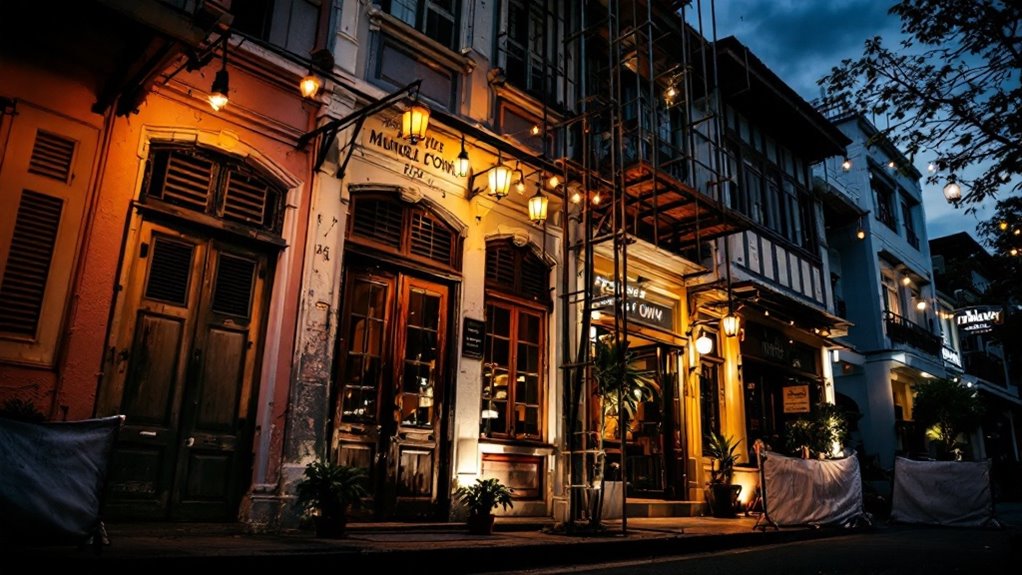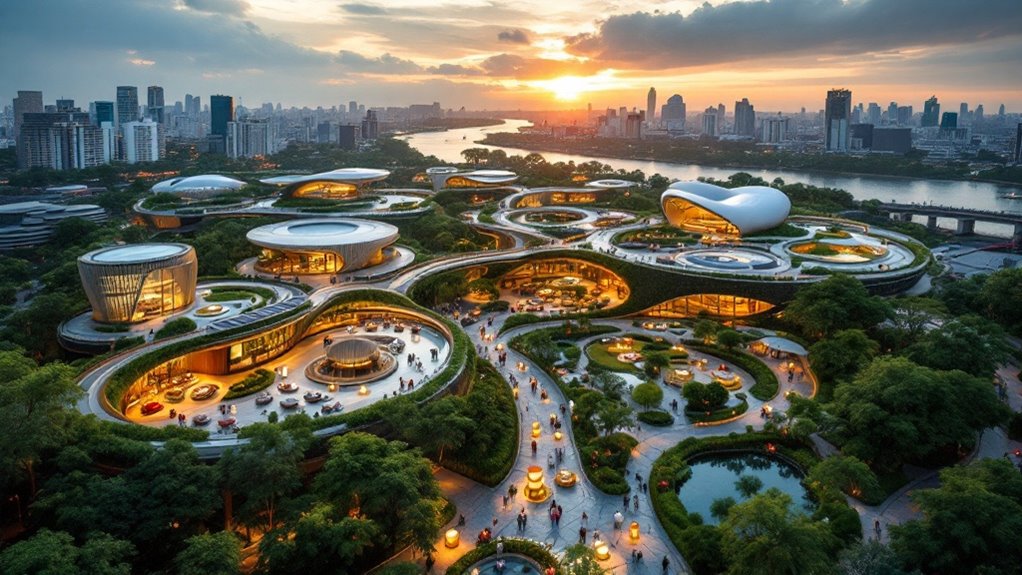
Ho Chi Minh City challenges the world to find its vibe through a unique blend of colonial-era architecture, bustling modern developments, and deep cultural diversity. The city features French-inspired landmarks such as Notre-Dame Cathedral Basilica, vibrant markets, and a cuisine shaped by various ethnic groups. Annual festivals and a nonstop urban lifestyle further define its dynamic atmosphere. Ongoing innovations and tourism campaigns continually reshape its identity, inviting visitors to explore how tradition and progress coexist in this Southeast Asian metropolis. More is revealed below.
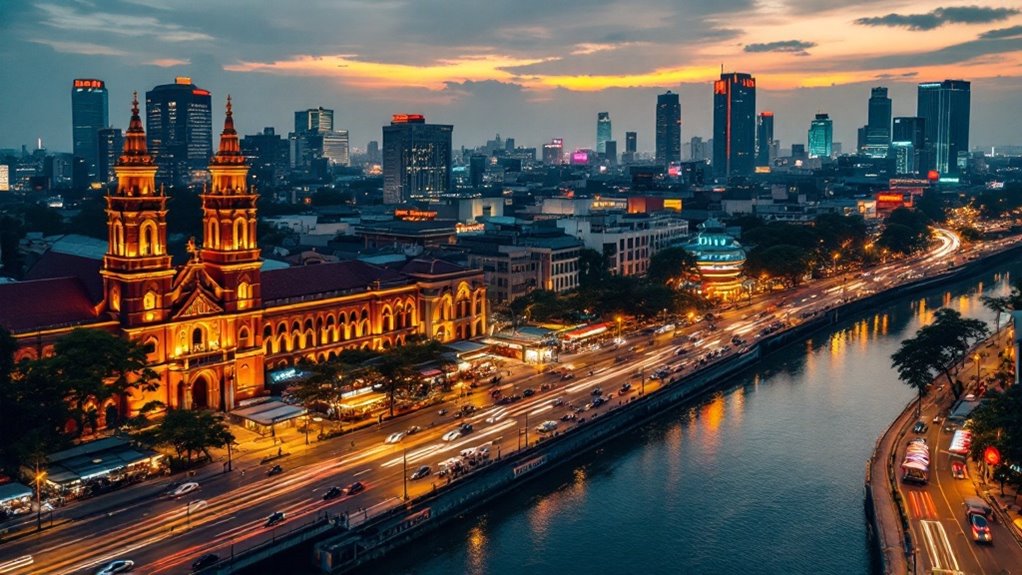
How does a city seamlessly blend rich history with contemporary dynamism? Ho Chi Minh City provides a clear example, balancing colonial heritage with modern innovation. Evidence of its French colonial past is visible in prominent landmarks, such as the Notre-Dame Cathedral Basilica and the Saigon Central Post Office, both of which stand as enduring symbols of architectural history.
These structures not only highlight French influence but also serve as focal points amid a skyline increasingly defined by modern skyscrapers, illustrating the city’s ongoing urban development and architectural evolution. Cholon, the city’s vibrant Chinatown, showcases the enduring legacy of its Chinese community through ornate temples and bustling markets.
The cultural landscape of Ho Chi Minh City is shaped by a diverse population, including ethnic Vietnamese, Chinese, and people from various international backgrounds. This diversity is reflected in the city’s culinary scene, which features authentic Vietnamese dishes from different regions as well as international cuisines.
Street food stalls offer traditional fare, while upscale restaurants provide fine dining options, ensuring a wide range of gastronomic experiences for both locals and visitors.
Cultural heritage is further reinforced through festivals, traditional performances, and artistic exhibitions. Annual events showcase traditional music, dance, and art, attracting both residents and tourists.
These events foster community engagement and cultural exchange, becoming integral components of the city’s identity. Cultural celebrations, such as Tet (Lunar New Year) and other ethnic festivals, highlight the city’s rich mix of influences and the enduring nature of its traditions.
Ho Chi Minh City’s urban lifestyle is characterized by energy and constant activity. Branded as the city that never sleeps, it features a vibrant atmosphere with bustling streets, lively markets, and a nightlife that extends into the early morning hours.
The city’s “Find Your Vibes” tourism campaign aims to communicate this dynamic environment to a global audience, promoting Ho Chi Minh City as a leading destination in Southeast Asia.
As the city continues to evolve through innovative architectural projects and expanding tourism initiatives, it challenges visitors and residents alike to discover, and define, its unique and dynamic vibe.