
To survive cold weather while backpacking, you’ll need to dress in layers with moisture-wicking, insulating, and weather-resistant fabrics, steering clear of cotton. Set up camp out of the wind and minimize snow entering your shelter by brushing off gear first. Eat high-calorie foods often and drink warm fluids to maintain energy and hydration. Exercise lightly to boost circulation, watch for hypothermia or frostbite, and keep extremities covered. Following these tips can greatly improve your safety and comfort outdoors—there’s more to master for full preparedness.
When you’re backpacking in cold weather, preparation and knowledge are essential for your safety and comfort. To minimize heat loss and manage moisture, choose a system of multiple clothing layers. Start with a moisture-wicking base layer, add an insulating mid-layer, and finish with a weather-resistant shell.
Layering moisture-wicking, insulating, and weather-resistant clothing is key to staying warm and dry when backpacking in cold weather.
Avoid cotton because it retains moisture and loses its insulating properties when wet; instead, opt for wool or synthetic fabrics. Wear loose-fitting clothes to trap insulating air and cover all exposed skin with hats, gloves, and gaiters, as extremities lose heat quickly. When you’re stationary, especially during breaks, add insulated layers like a down or synthetic jacket to help retain warmth. The layering system principle allows you to add or remove items as your activity level and the weather conditions change throughout your journey.
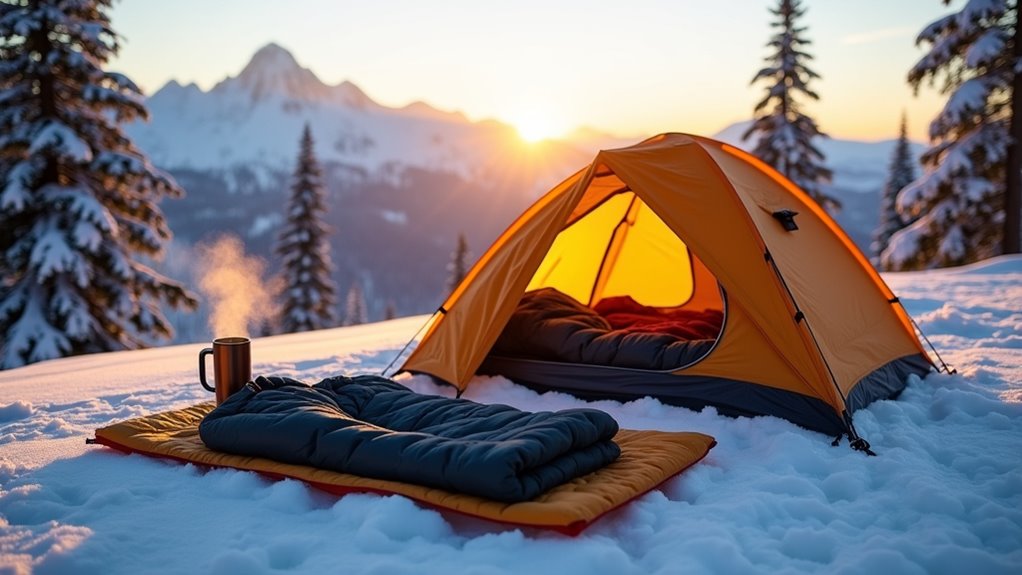
Select a campsite that’s sheltered from wind and avalanche risk, and pack down snow to create a firm, level tent base that reduces cold transfer from the ground. Before entering your tent, brush off snow from boots and gear to keep your shelter dry. Pre-warm your sleeping bag with body heat and store boots inside stuff sacks between your legs overnight to prevent freezing. Always make sure your sleeping bag is rated for temperatures below your expected lows to ensure adequate protection from the cold.
Your body needs extra calories in cold weather, so eat nutrient-dense, high-calorie foods frequently, both during activity and while resting. Drink water regularly, aiming for warm or room-temperature fluids to prevent dehydration, and use insulated containers to keep liquids from freezing. Choose foods that are easy to digest and quick to prepare.
To generate and maintain body heat, engage in light exercise such as jumping jacks before entering your shelter or sleeping bag. Regulate your activity level to avoid sweating, which can cause chilling. Move periodically to stimulate circulation, but rest enough to conserve energy and watch for signs of hypothermia.
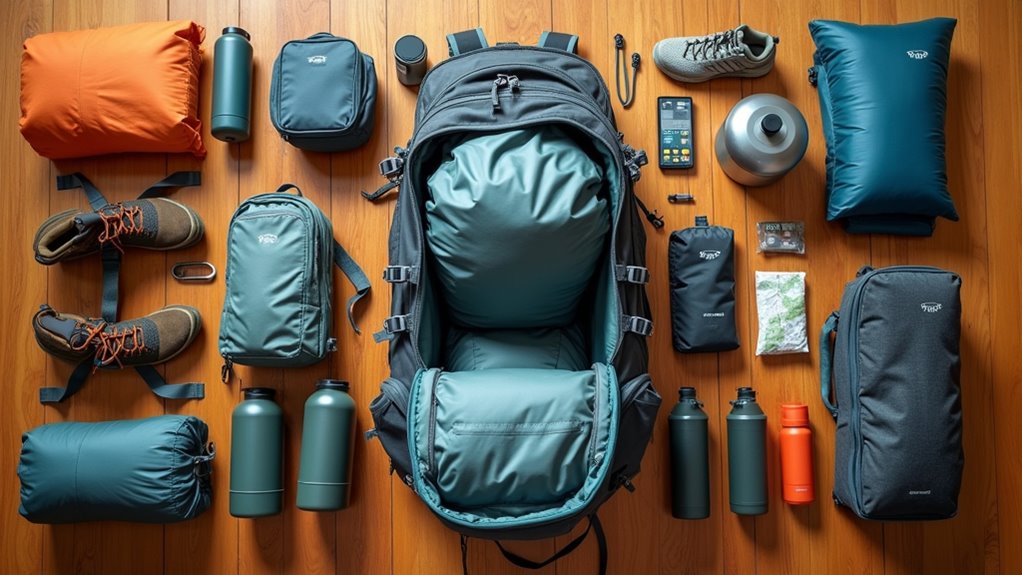
Be vigilant about cold injuries. Know the symptoms of hypothermia and frostbite, change out of damp clothing promptly, and keep extremities covered. Carry a sleeping bag rated for expected temperatures, insulated sleeping pads, and a reliable waterproof tent.
Inform someone about your route, carry navigation tools with spare batteries, and pack emergency shelter and heat sources for unforeseen situations.