
To plan a hiking trip, start by researching your destination thoroughly, using topographic maps, recent trail reports, and verified guidebooks to understand terrain and regulations. Evaluate trail distance, elevation gain, and expected duration based on group fitness and experience. Map your route, marking water sources, campsites, and emergency exits, and pack essential gear like layered clothing, navigation tools, and first aid supplies. Properly condition yourself and notify someone of your plans for added safety; further details can help you plan effectively.
Before you set foot on any trail, planning a hiking trip requires careful research and structured preparation to guarantee safety and enjoyment. Start by gathering essential information about your chosen destination. Use topographic maps and reliable guidebooks to comprehend the terrain, trail conditions, and possible elevation changes.
Reviewing historical weather data helps you anticipate what to expect, while recent trip reports from other hikers can provide critical insights into current trail conditions, including any closures or maintenance concerns. Always check for specific regulations or permits required for the area, as well as accessibility factors that might affect your group.
Consult recent hiker reports and historical weather data to anticipate conditions, and always verify local permits and regulations before your trip.
When selecting your destination, evaluate the trail’s difficulty by considering both elevation gain and total distance. Estimate how much time your hike will take, factoring in the group’s walking speed and the technical nature of the terrain. Before you leave, make sure to inform someone about your hiking location and expected return time so that someone knows where you are in case of an emergency.
Take into account scenic features or attractions along the route, but don’t overlook safety concerns such as steep drop-offs, wildlife, or remoteness. Confirm the trail’s accessibility for all participants, ensuring everyone is physically prepared for the journey. If you plan to hike alone or with a group, carefully assess your level of experience and comfort with the conditions you might encounter.
Next, plan your route in detail. Map out the trail, highlighting key landmarks, established campsites, and reliable water sources. Mark emergency exit points and potential shelters in case you need to alter your plans due to weather or injury.
Analyze the terrain closely to prepare for challenging ascents or difficult sections, and establish checkpoints to regularly monitor your progress. Always consider Leave No Trace principles to preserve the natural environment for future hikers.
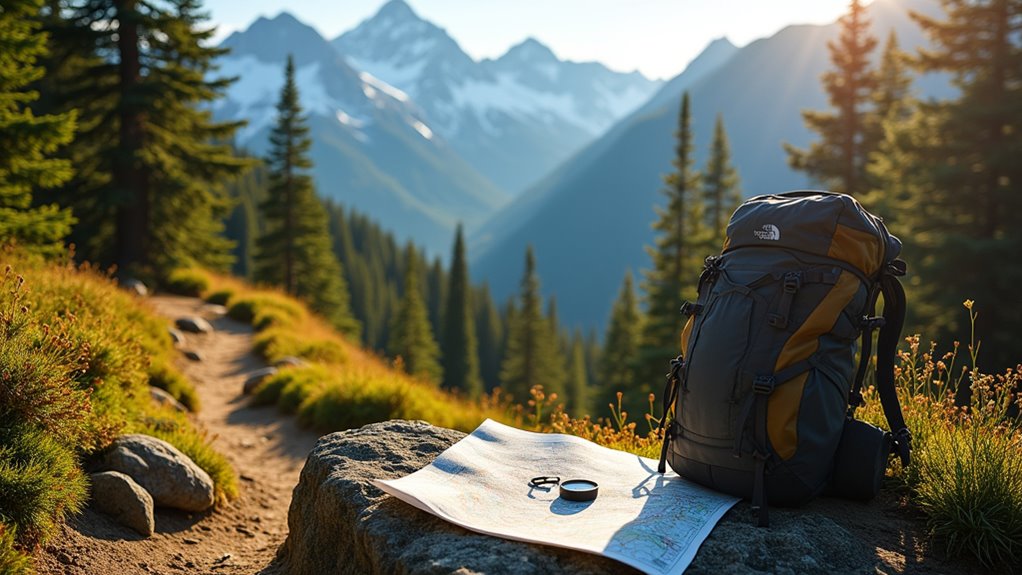
Pack your gear with precision, including layered clothing, first aid kits, navigation tools, and food supplies. Bring water purification equipment if natural water sources will be used. Choose lightweight, weather-appropriate gear to maintain mobility without sacrificing safety.
Make sure at least one group member possesses first aid training, and leave a detailed itinerary—including vehicle and emergency contacts—with someone who’s not on the hike.
Physical preparation is just as important. Assess everyone’s fitness level beforehand, and spend time conditioning to improve endurance. Plan meals and hydration strategies, adjusting for longer days and increased exertion.
With thorough research, detailed planning, and proper preparation, you’ll minimize risks and maximize your hiking experience.