
Yes, bio-hacking secrets are shaping tomorrow’s sustainable tourism experiences, especially at leading resorts like SHA Mexico and Six Senses Crans-Montana. You’re seeing personalized metabolic programs, continuous glucose monitoring, and cellular therapies integrated into eco-conscious wellness retreats. These resorts leverage technologies like IV nutrient therapy, sleep tracking, and hormone-balancing suites, while emphasizing forest bathing and plant-based diets. As the industry evolves with gene-based personalization and AI health coaching, you’ll find tourism increasingly rooted in scientific, personalized wellbeing—discover what’s next in the sector.
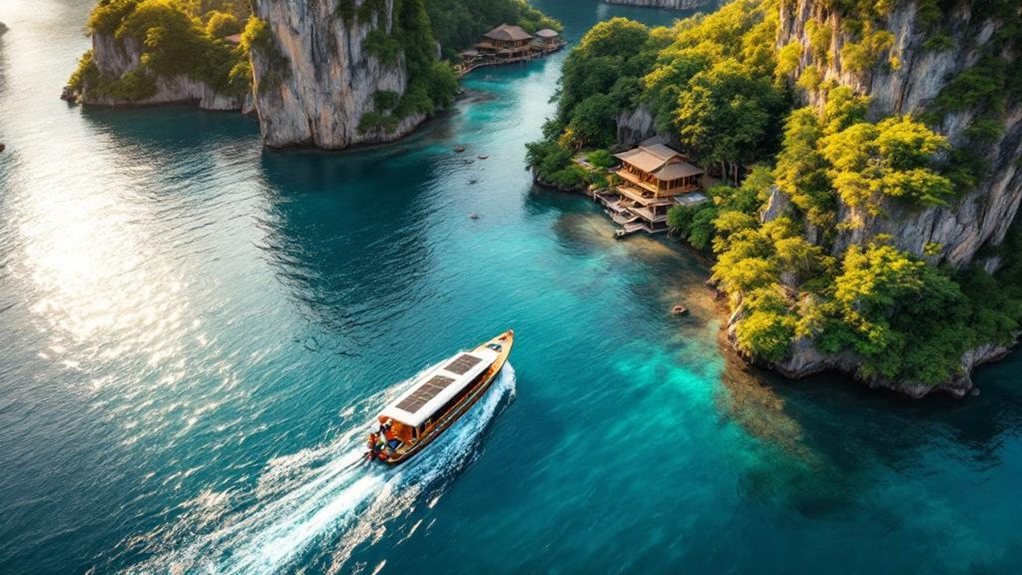
As sustainable tourism evolves, biohacking has begun to shape a new generation of wellness travel that prioritizes both personal health and environmental responsibility. When you explore these destinations, you’ll find holistic wellness programs that blend natural therapies, such as forest bathing, with the most current medical technology.
Resorts and wellness retreats now offer “N of 1” experiments, tailoring health optimization protocols to your unique biological needs, using data-driven personalization for everything from fasting regimens to micronutrient infusions. In addition, many programs focus on cellular and mitochondrial health, recognizing that protecting your cells and energy production systems is key to extending your healthspan.
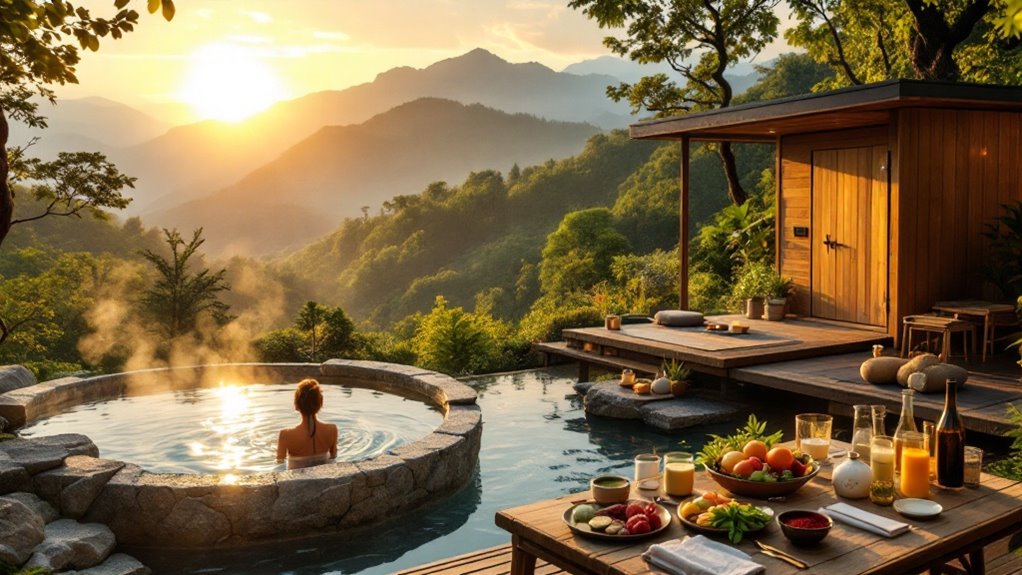
Eco-conscious design is central to these experiences, leveraging local ecosystems to provide therapies like forest bathing, which uses the phytoncides of local trees to reduce stress and enhance immune function. Cold water immersion pools, sunlight exposure protocols, and grounding techniques—where you connect barefoot with the earth—become standard offerings, reducing inflammation and balancing circadian rhythms.
Facilities often use aquatic therapies in blue spaces, such as lakes or sea lagoons, to promote relaxation and metabolic health for guests of all ages and budgets. Cloudflare provides security services for websites, offering protection from various online threats while also ensuring a safer browsing experience for users.
Technology further drives health optimization. You’ll encounter continuous glucose monitoring, InnerAge 2.0 blood biomarker assessments, and advanced sleep tracking systems, all aimed at offering data-backed adjustments for recovery and longevity.
IV nutrient therapy, resveratrol, and curcumin supplementation target specific markers, supporting anti-inflammatory and metabolic benefits.
Luxury resorts like SHA Mexico and Six Senses Crans-Montana have adopted these trends, offering detox therapies with locally sourced ingredients and hormone-balancing programs specifically for women.
Advanced recovery suites provide cryotherapy and infrared saunas, while mindfulness sessions are paired with biometric feedback for a thorough approach.
Sustainability runs through every aspect, from sourcing ingredients locally to integrating indigenous knowledge into modern treatments.
Zero-waste initiatives and carbon-neutral energy use are increasingly standard, with educational workshops teaching you sustainable biohacking practices.
Nutrition programs emphasize plant-based proteins, antioxidant-rich diets, intermittent fasting, gut microbiome optimization, and hydration tracking, all designed to support long-term health.
As you look to the future, expect gene-based customization, AI-driven health coaching, women-specific metabolic programs, and even virtual reality nature immersion.
Biohacking is actively powering tomorrow’s sustainable tourism, offering you accessible, effective, and eco-friendly wellness solutions.