Hostels are generally safe for backpackers and solo travelers, especially in popular regions like Europe and Asia, where you’ll find secure lockers, 24-hour reception, and surveillance cameras. Most hostels offer key card access and communal areas, which foster a sense of shared vigilance among guests. While theft is rare, you should still store valuables in provided lockers and bring a padlock. Choosing reputable hostels and following security guidelines can further enhance your safety, and you’ll discover additional ways to protect yourself with more information.
How safe are hostels for backpackers and solo travelers? In general, hostels maintain a solid reputation for safety, especially due to their vibrant community environment. Many travelers report feeling secure in hostels, as the presence of both attentive staff and other guests creates a network where people look out for each other.
Despite the persistent myth that hostels are inherently unsafe, most operate with a strong focus on guest security. You’ll find that the majority of hostels provide secure storage—such as lockers—for your valuables and personal belongings, which helps deter theft and increases peace of mind. Hostelworld reviews are a reliable way to check the safety reputation of a hostel before booking, as they provide recent feedback from fellow travelers.
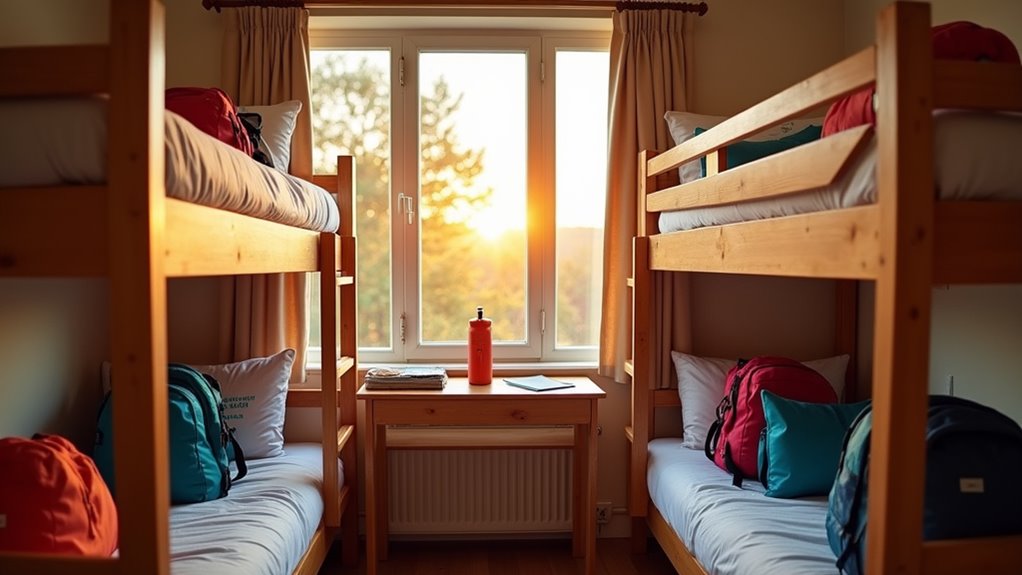
Most hostels prioritize guest safety, offering secure lockers so travelers can store valuables and feel at ease during their stay.
If you’re traveling solo, especially as a female, hostels often offer additional safety measures. Shared dormitories, and particularly all-female dorm options, are common in many destinations, allowing you to choose the level of privacy and security you prefer. The communal aspect means you’re rarely isolated, and there’s almost always someone nearby.
Hostels typically have security cameras for surveillance, which helps monitor activity in common areas and adds an extra layer of safety for guests.
It’s important, though, to research each hostel thoroughly before booking; reading current reviews and checking for recent safety updates will help you select one that meets your standards.
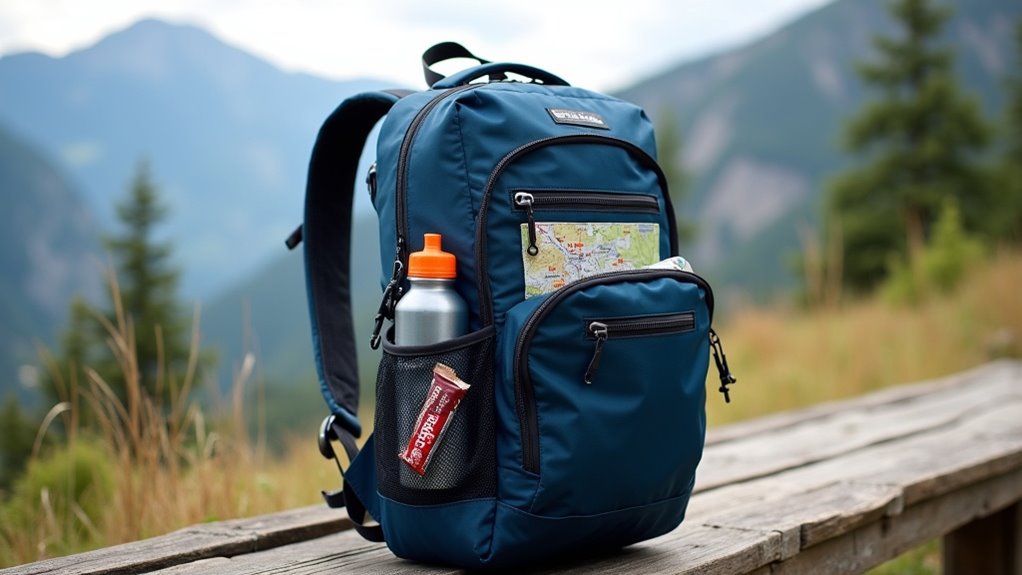
While theft in hostels is relatively rare, it’s not impossible. Electronics, cash, and passports are the items most at risk, so you should always use the lockers or secure storage provided. Bringing your own padlock and keeping your valuables locked up when you’re out is a basic but effective precaution. Good travel insurance is also essential, as it can cover losses and give you added reassurance if something does go wrong.
Modern hostels frequently include security features such as 24-hour reception, key card access, CCTV in common areas, and secure entry systems. In some cases, staff patrol public spaces, especially at night, to maintain everyone’s safety.
Globally, hostels are regarded as safe in popular backpacking regions like Europe and Asia, but safety can vary based on the local environment and the specific hostel’s management. Communal spaces often foster a social atmosphere where travelers can easily connect with others, creating natural safety networks and opportunities to find travel companions for exploring the area.
Staying safe in a hostel ultimately relies on a combination of choosing reputable accommodation, using available security measures, and practicing personal vigilance throughout your stay.