You shouldn’t drink stream water while backpacking unless you treat it, since even clear streams may carry invisible bacteria, protozoa, or chemicals that cause illness days or weeks later. Always use a portable filter, chemical purifier, or boil water for at least one minute to destroy harmful organisms. Check upstream for livestock, camps, or industry, as these increase contamination risks. Planning your route with reliable water sources and purification tools keeps you safe—learn which methods and preparations work best.
Although the sight and sound of a clear mountain stream might suggest safe drinking water, you can’t reliably judge its safety by appearance or taste alone. Many harmful pathogens, such as bacteria, viruses, and parasites like Giardia, are invisible and tasteless, yet they can cause serious illness if ingested.
Clear mountain streams may look pure, but invisible pathogens can lurk within—never judge water safety by sight or taste alone.
Even pristine-looking streams may be contaminated by animal activity, upstream human use, or environmental runoff, all of which can introduce microorganisms or chemical pollutants into the water. The risk isn’t always immediate—some waterborne illnesses develop days or weeks after exposure, making it critical to evaluate water sources carefully.
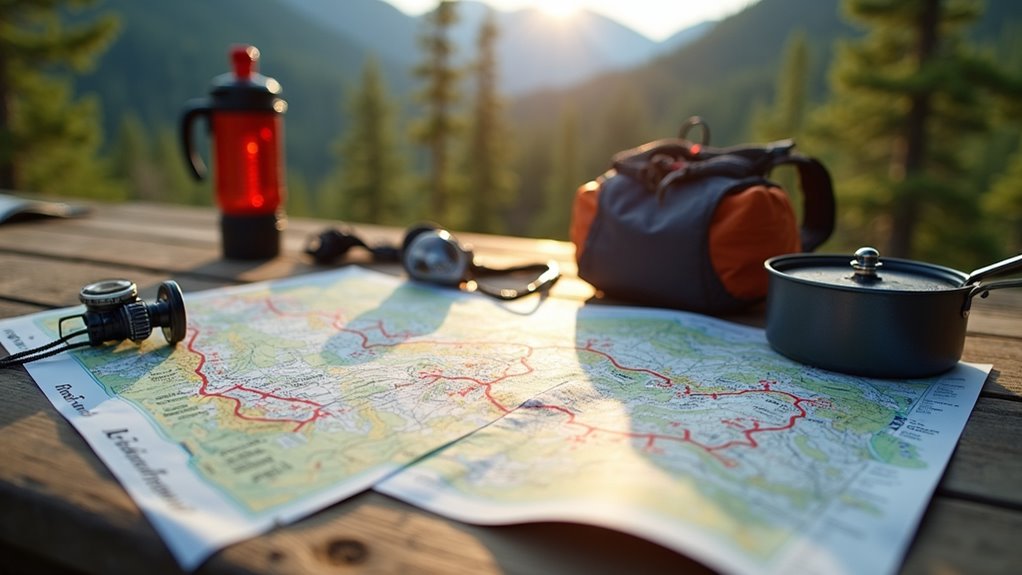
When evaluating a stream, you should consider several factors. Faster-moving water is generally safer than stagnant pools, which are more likely to harbor pathogens. Avoid collecting water from puddles or backwater areas, and always check for visible signs of pollution, such as algae blooms, unnatural discoloration, or debris. [Dehydration can become a serious risk if you misjudge your water needs or the availability of safe sources, so always plan your route with access to clean water in mind.]
Assess what’s happening upstream—livestock grazing, campsites, or industrial activity can all influence water quality. While the presence of aquatic life like fish or insects often suggests healthier conditions, it’s not a guarantee of safety.
To minimize risk, always carry water purification tools when backpacking. Lightweight portable filters are efficient and easy to pack, removing most bacteria and protozoa. Chemical purifiers—tablets or drops—can neutralize many harmful organisms, although you’ll need to allow adequate time for them to work, usually between 30 minutes to four hours depending on the method.
Boiling water for at least one minute is highly effective, but it requires fuel and equipment, adding to your pack’s weight. UV purifiers offer a quick, chemical-free alternative, though they require batteries and clear water for maximum effectiveness. As a backup, solar disinfection (SODIS) can be used, employing sunlight in clear plastic bottles to kill pathogens over several hours.
You should also verify your water containers are clean and designed for safe storage. Regularly maintain any filtration or purification equipment, and always consult local guides or maps for information about reliable water sources and hazards in the area.