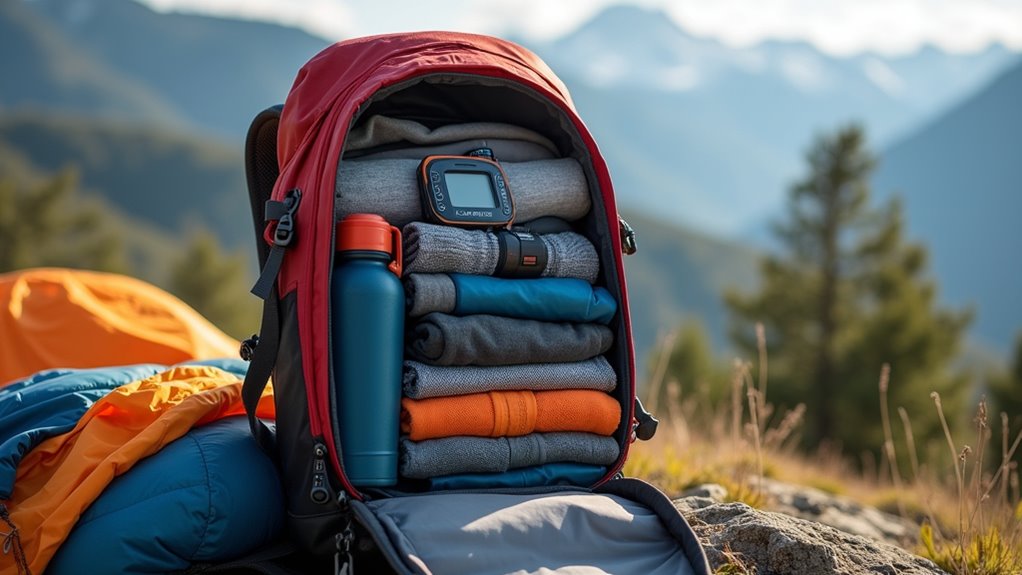
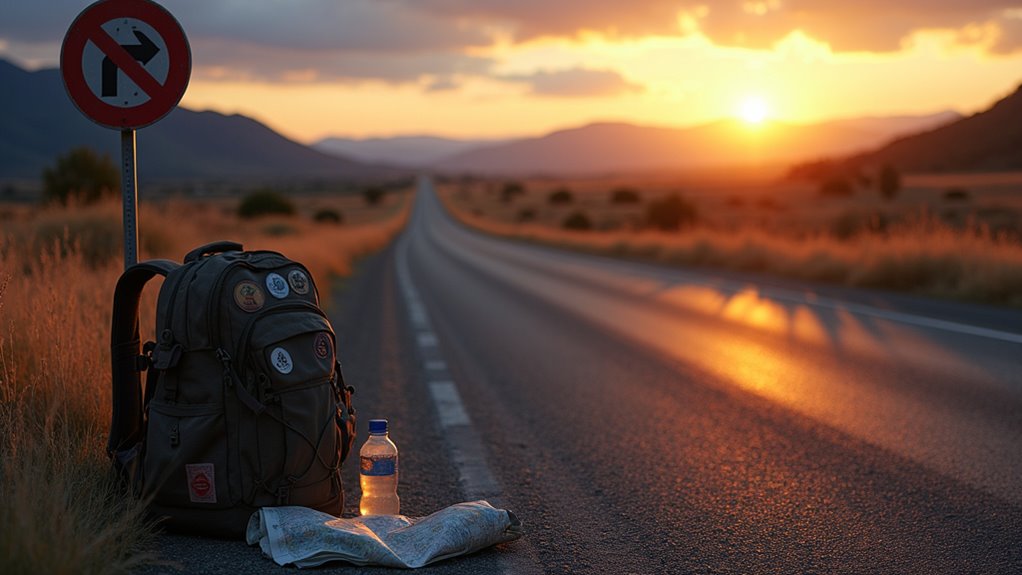
For a long hike, you’ll need moisture-wicking clothing, sturdy hiking boots, high-quality socks, and layers for varying weather, including a rain jacket and hat. Bring a GPS device or map and compass for navigation, ample water with a filter or treatment option, energy-dense food, and a first aid kit. Don’t forget insect repellent, sunscreen, and a whistle for emergencies. If you’ll stay overnight, carry a lightweight tent and sleeping bag. Explore further to discover additional safety and comfort strategies.
Whether you’re preparing for a multi-day trek in a remote wilderness or planning a strenuous day hike through unpredictable terrain, packing the right essentials is crucial for both safety and comfort.
Start by selecting moisture-wicking underwear, which keeps you dry during extended activity. Opt for hiking pants or shorts that offer both mobility and protection from brush, insects, and changing weather. Quick-drying shirts, including long-sleeve options, help you regulate temperature and guard against sun exposure. Always include jackets for rain, wind, or cold to guarantee you’re ready for any weather. High-quality socks and extra pairs are essential, reducing the risk of blisters and maintaining foot health during long-distance travel. Carrying around 1/3 of your body weight is generally recommended for weight distribution to help prevent discomfort during long hikes.]
Choose moisture-wicking underwear, quick-drying layers, and durable socks to stay comfortable and protected through every mile of your hike.
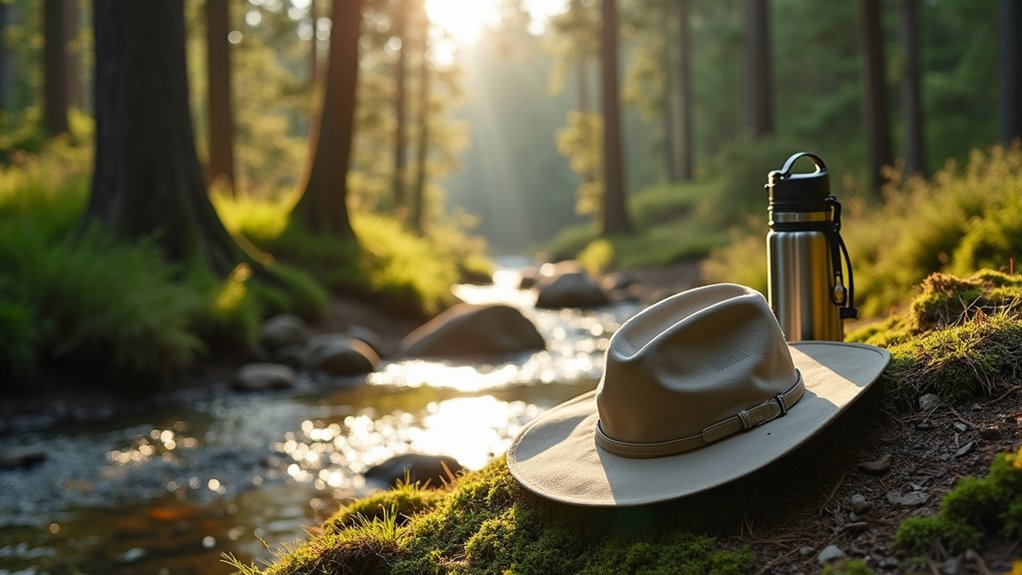
Proper footwear, such as hiking shoes or boots, is fundamental for stability and support on rough trails. You’ll want gaiters to keep debris and moisture out of your boots, especially in muddy or snowy conditions. Hats for sun or cold weather, gloves or mittens, and a neck gaiter or face mask increase your comfort and protect against the elements.
Navigation and safety tools are indispensable. Carry a GPS device or a detailed map for route finding, and don’t forget a compass in case you lose signal or battery power. A satellite messenger can be life-saving in areas without cell service, and bear spray may be necessary in wildlife habitats. Bring a whistle to signal for help in emergencies.
First aid and hygiene kits should include basic medical supplies for treating minor injuries, insect repellent, sunscreen, SPF-rated lip balm, hand sanitizer, toilet paper, and a trowel or Wag Bags for responsible waste disposal. A hiking checklist serves as a strategic plan for outdoor adventures, helping you avoid forgetting important gear and ensuring you tailor your items to the specifics of your hike.
Water is crucial; carry a water bottle or hydration bladder and pack a filter or chemical treatment for safety. Bring enough food for the hike, such as energy bars or trail mix, and consider a camping stove, fuel, and utensils for longer journeys.
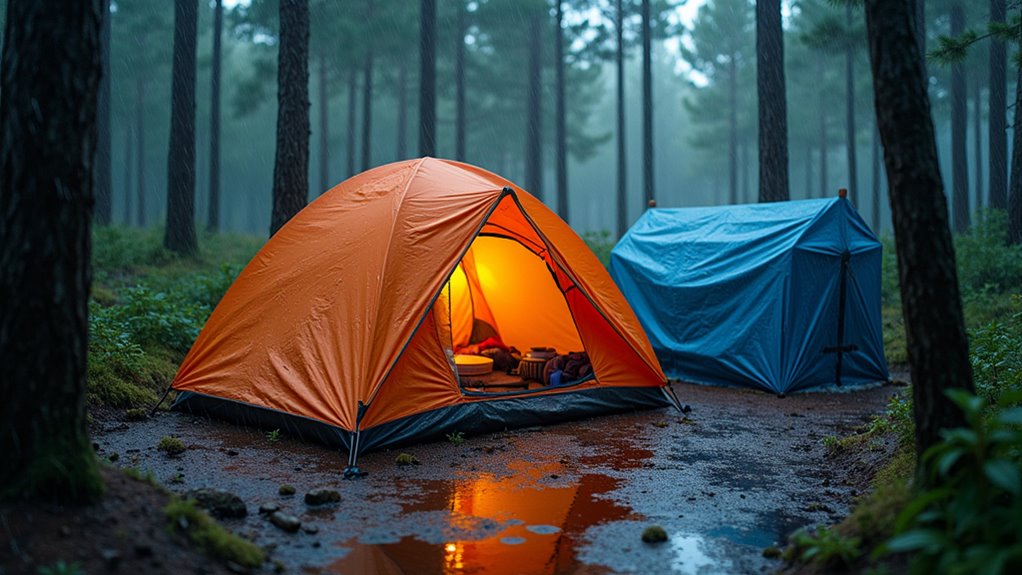
For overnight hikes, a lightweight tent, sleeping bag with liner, sleeping pad, emergency blanket, and rain cover for your backpack provide shelter and comfort.
Don’t forget a headlamp or flashlight, multitool, repair kit, extra batteries, ID, cards, and cash to stay prepared for any situation.