When packing for a long backpacking trip, you’ll want a 60–65 liter ergonomic backpack with a rain cover, compact tent, climate-suitable sleeping bag, liner, and self-inflating pad. Opt for moisture-wicking layers, durable hiking boots, extra socks and underwear, along with a hat and gloves. Pack lightweight cooking gear, a portable stove, high-calorie non-perishable food, water filter, and first aid kit. Prioritize hydration and safety tools, and adjust your gear based on climate or local guidelines. Discover more strategic tips ahead.
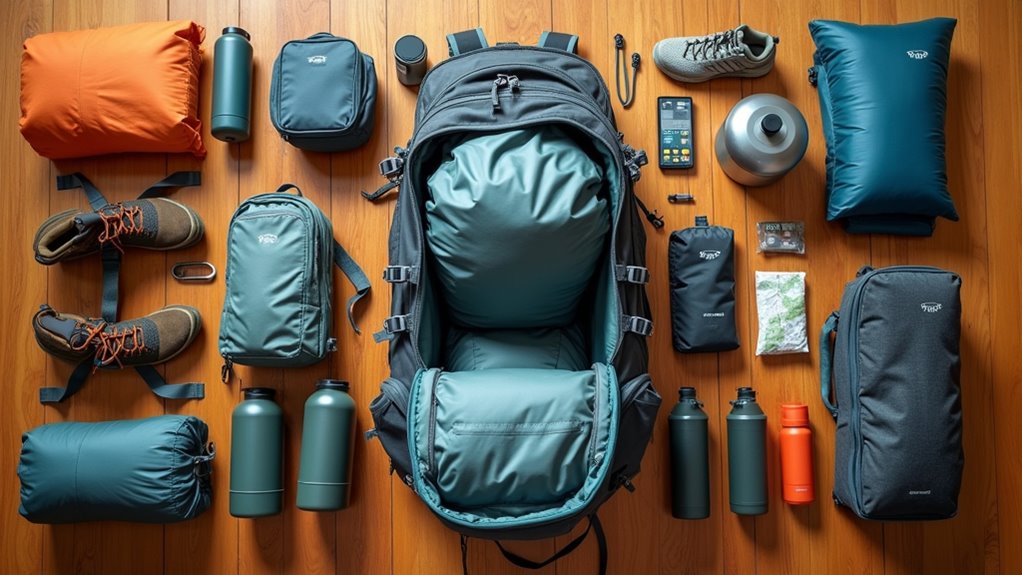
When you’re preparing for a long trip, efficient packing is essential to guarantee you have everything you need without carrying unnecessary weight. Start by selecting a large backpack, ideally in the 60-65 liter range, to accommodate gear for extended travel.
Efficient packing starts with choosing a 60-65 liter backpack, ensuring you carry all essentials without unnecessary weight on long trips.
Prioritize models with a rain cover for weather protection, adjustable straps, and ergonomic design elements that help distribute weight evenly across your body. Opt for packs made from lightweight but durable materials, and focus on multiple compartments to organize your equipment efficiently. Features like hydration reservoir compatibility and external attachment points further enhance functionality and accessibility. Before heading out, always double-check the backpack’s fit to prevent discomfort or injury on the trail. Packing lightweight and multifunctional items ensures that your load remains manageable and your gear serves multiple purposes.
For shelter, pack a lightweight backpacking tent that you can set up in under ten minutes, emphasizing compactness and reduced weight. Select a sleeping bag suited to the climate you’ll encounter; synthetic options provide warmth and versatility. Adding a sleeping bag liner increases insulation and prolongs the bag’s lifespan.
A self-inflating sleeping pad or compact air mattress gives crucial insulation and comfort, preventing heat loss through ground contact.
Cooking and food management require a compact camping stove with a compatible pot, fuel cartridge, and reliable fire-starting method such as matches or a lighter. Use a lightweight plate, cup, and set of utensils, including a long-handled spoon for eating directly from meal pouches.
Choose high-calorie, non-perishable foods like dehydrated meals, nuts, and energy bars. Plan for water treatment using portable filters or purification tablets, and bring extra water storage options for areas with limited access.
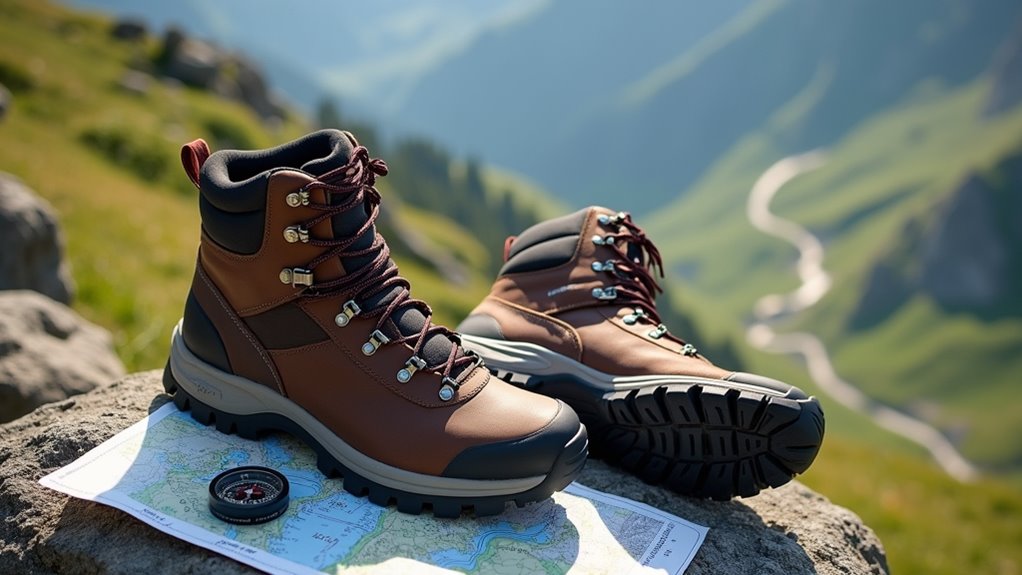
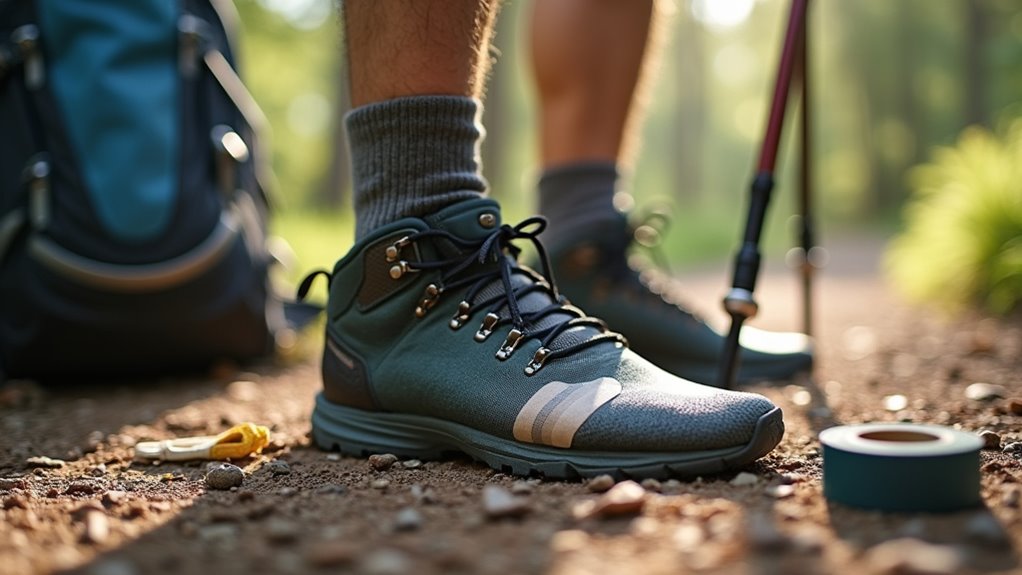
Pack versatile, moisture-wicking, and quick-dry clothing layers, including a base layer, mid-layer for insulation, and a waterproof shell. Durable hiking boots or trail shoes are necessary for varied terrain, and extra socks and underwear support hygiene.
Include a hat and gloves to address sun exposure and cooler temperatures.
Hydration systems should include a 1-liter bottle and a hydration reservoir for ease of use, supplemented by portable filtration devices. Remain aware of local water safety guidelines and legal restrictions.
Always carry a well-stocked first aid kit, emergency signaling tools, and know basic wilderness first aid and escape routes.
Systematic organization and careful planning are crucial for a safe, efficient long-distance backpacking experience.