For backpacker travelers, pack sturdy hiking boots, a 40- to 60-liter backpack, and trekking poles for stability on rough terrain. Bring a lightweight tent, sleeping bag rated for expected cold, and a sleeping pad. Dress in moisture-wicking base layers, a fleece midlayer, waterproof jacket, hat, gloves, and quick-drying socks. Include hand sanitizer, toothbrush, biodegradable soap, sunscreen, insect repellent, and a basic first aid kit. Add navigation aids like maps and a compass—next, you’ll discover how to optimize your gear for specific conditions.
A thorough packing list is essential for any backpacking trip, ensuring you’ve got all the gear and supplies needed to handle diverse environments and unexpected challenges.
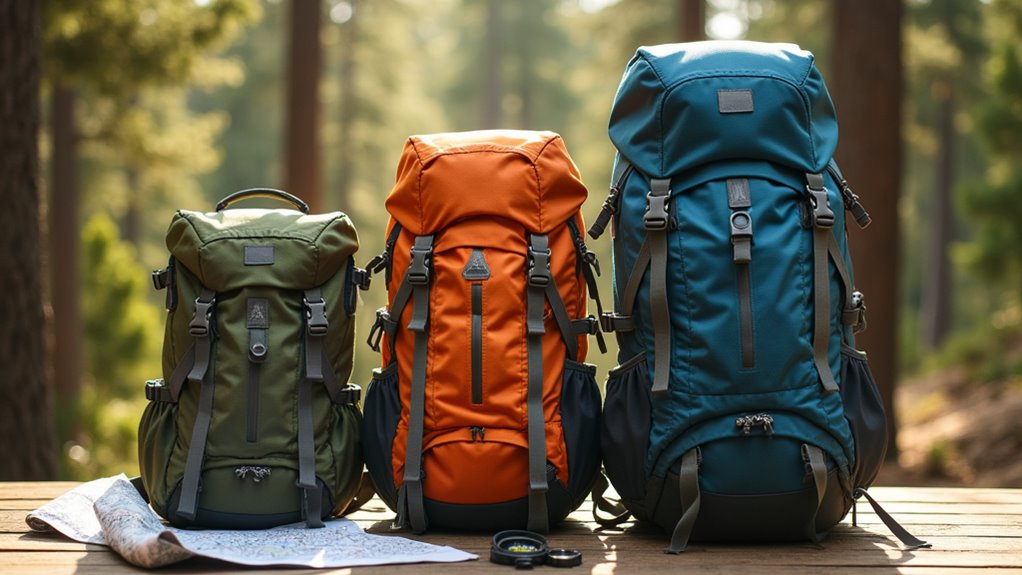
Start with reliable hiking boots or shoes, since sturdy footwear is necessary for traversing rocky, muddy, or steep trails. Choose a backpack that fits your frame and offers enough capacity—typically 40 to 60 liters for multi-day trips—to carry all the essentials efficiently. Trekking poles are recommended for all hiking trails to enhance stability, especially during ascents, descents, and stream crossings.
Choose sturdy boots and a well-fitted pack—your foundation for comfort and efficiency on any multi-day backpacking adventure.
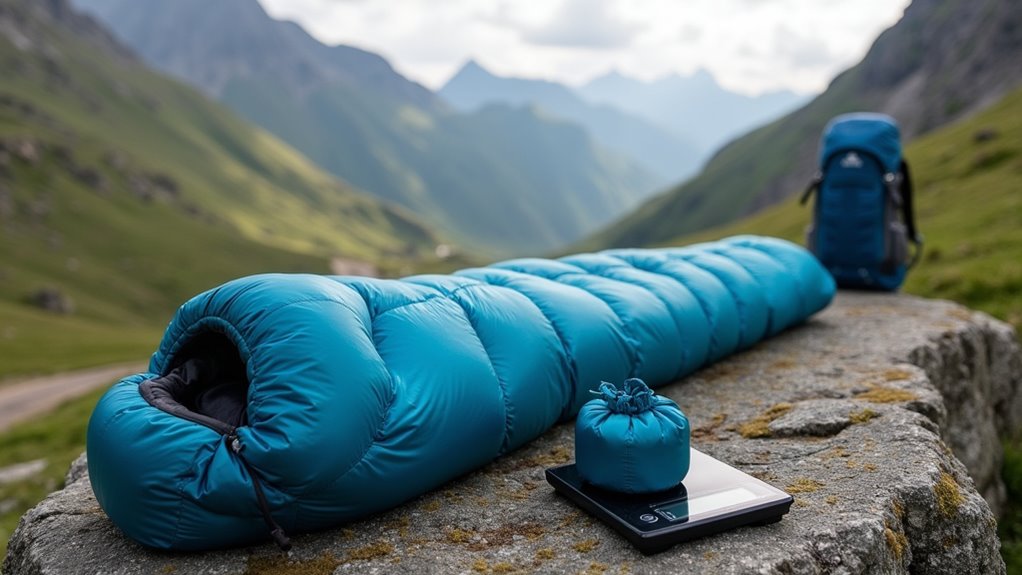
Shelter is non-negotiable; pack a tent with stakes that withstand variable weather, along with a sleeping bag rated for the coldest expected temperatures and a sleeping pad for insulation and comfort.
Layering your clothing is vital. Include lightweight base layers for moisture management, a fleece or insulated midlayer, and a waterproof jacket to guard against rain and wind. Add a hat and gloves for warmth during cold nights, and bring multiple pairs of quick-drying socks to prevent blisters and maintain foot hygiene. Multipurpose items are ideal for saving space and weight in your pack while maximizing functionality.
For hygiene and personal care, you’ll need travel-size hand sanitizer, a toothbrush, toothpaste, sunscreen, SPF lip balm, insect repellent, and biodegradable soap suitable for outdoor use. Moisture-wicking base layers are important for keeping you dry and comfortable during strenuous hikes.
Safety requires preparation. Pack a first aid kit containing bandages, antiseptics, and blister treatments. Bring an emergency bivvy for unexpected overnight stays, along with navigation tools like maps and a compass. A signaling mirror and whistle help you attract attention if stranded.
When it comes to electronics and tools, carry a headlamp with extra batteries, a portable charger for devices, and a multi-tool for equipment repairs. A small repair kit and a water filter or purification tablets are also essential for field repairs and safe hydration.
Maintain your nutrition and hydration by packing water bottles or a hydration bladder, lightweight high-calorie food, a portable stove or pot, and secure food storage containers to deter wildlife.
Miscellaneous essentials include a trowel for responsible waste disposal, toilet paper, hand wipes, travel documents such as your passport and itinerary, and optional items like a compact camera or entertainment for downtime.
With this extensive list, you’ll be prepared to face the demands and variables of backpacking travel.