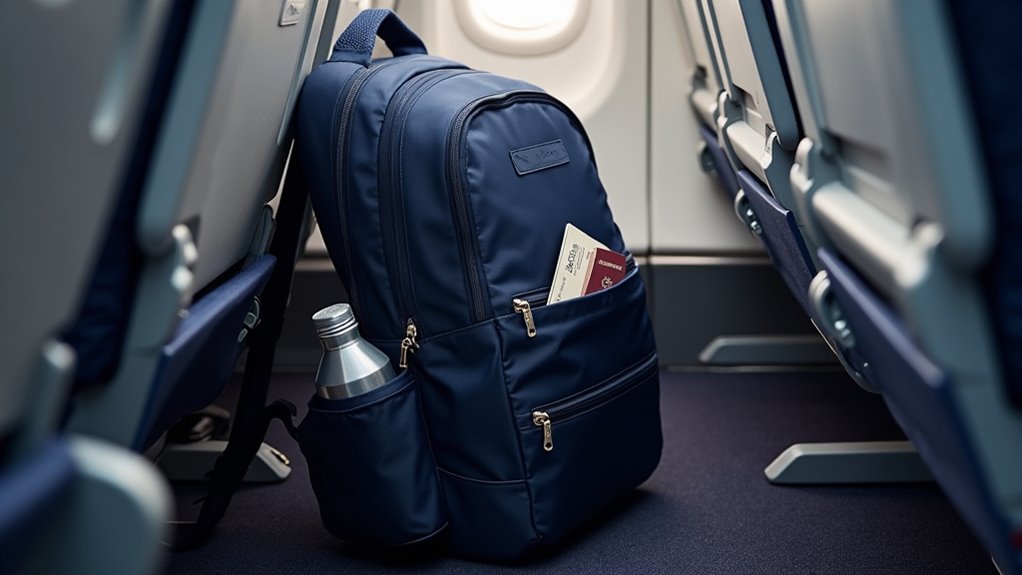

A bag qualifies as a personal item for travel if it fits under the seat in front of you and generally measures no more than 18 x 14 x 8 inches, including handles and wheels. Common examples include backpacks, purses, briefcases, or tote bags, but size limits can vary depending on the airline. Most carriers permit one personal item in addition to a carry-on, though budget airlines may be stricter. Understanding these guidelines is key for smoother travel and compliance with airline policies.
When preparing for air travel, understanding the rules around personal item size is crucial to avoid unexpected fees or inconvenience at the airport. Airlines define a personal item as a bag, backpack, or accessory that fits under the seat in front of you, allowing you to keep essential belongings within reach during your flight. The primary requirement is that the item must fit completely under the seat, which means both its size and shape matter. Common examples include backpacks, purses, briefcases, and tote bags.
A personal item must fit completely under the seat in front of you—think backpacks, purses, briefcases, or tote bags.
Most airlines specify a maximum size for personal items, typically around 18 x 14 x 8 inches (46 x 36 x 20 centimeters), though some carriers set their own minimum and maximum limits. These measurements always include wheels, handles, and any external attachments. While slight deviations in size may go unnoticed if your bag fits under the seat, you should always verify the rules for each airline you fly, since limits can vary considerably between carriers and even among fare classes. Many airlines also allow additional items such as jackets, food, or assistive devices to be brought on board without counting toward your personal item allowance. Each passenger is generally permitted 1 carry-on bag and 1 personal item free of charge, so it’s important to know which belongings count toward each category.
For instance, budget airlines tend to enforce these restrictions more strictly than full-service or premium airlines, and exceeding the size limit could result in your bag being checked at the gate or incurring extra fees.
When comparing airlines, you’ll find that US-based carriers often have slightly different standards than international airlines. Codeshare flights, in which multiple airlines operate the same route, always follow the operating airline’s baggage policies. In premium cabins, you might have more flexibility, but you should never assume—always check ahead.
To avoid problems, choose a personal item specifically designed for under-seat storage, and pack only what you need, such as travel documents, electronics, and medications. Take into account trip duration and travel mode, as these factors influence what you should bring.
Always remember that certain restricted or prohibited items, such as large liquids or sharp objects, are subject to additional regulations.
Ultimately, adhering to both airline and regulatory guidelines guarantees a smoother travel experience. By selecting the right bag and packing thoughtfully, you can avoid unnecessary fees and keep your essentials close at hand throughout your journey.