You can afford to travel the world on a backpacker’s budget by picking destinations with lower costs of living, such as Southeast Asia or Central America, and sticking to a strict budget for daily expenses. Stay in hostels, guesthouses, or try room-sharing platforms, and rely on public transportation or budget airlines to keep travel costs down. Cook your own meals or eat local street food for savings, and only buy essential gear. To maximize your trip’s value, explore additional practical tips here.
Traveling on a backpacker’s budget requires careful planning, disciplined spending, and resourceful decision-making at every stage of your journey. To maximize your financial resources, start with long-term planning by choosing to travel during off-peak seasons, when costs for flights, accommodation, and attractions are usually lower.
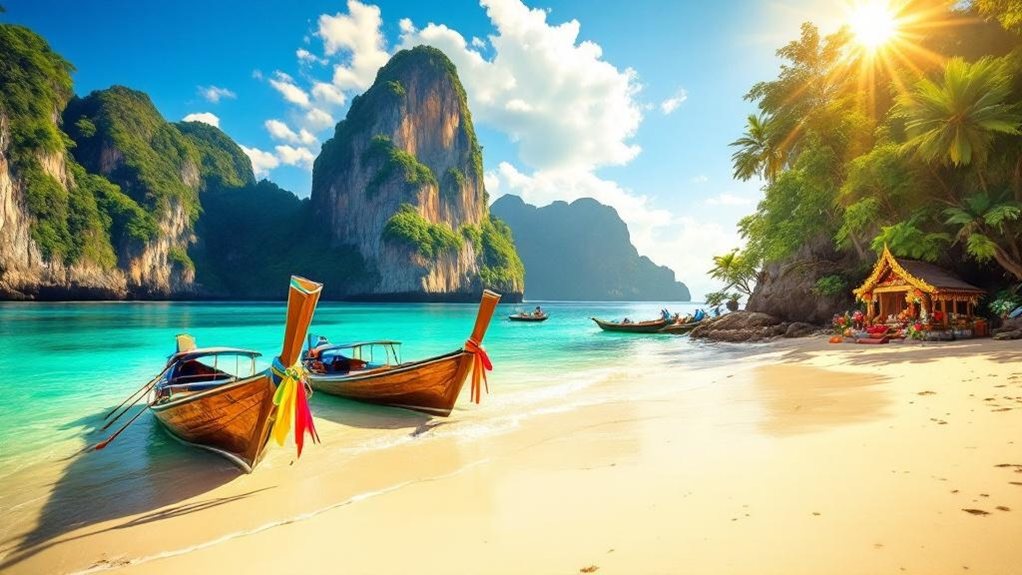
Establishing a strict, realistic budget is essential; it helps you manage daily expenses and avoid unnecessary purchases. Before departing, cut back on nonessential spending to build a stronger travel fund. When exchanging currency, use local banks or ATMs rather than airport kiosks, as these typically offer better rates and lower fees. Many of the most affordable destinations are those with a lower cost of living, such as Southeast Asia and Central America, allowing your money to go further.
Set a realistic budget, trim nonessential spending, and use local banks or ATMs for better currency exchange rates.
To further stretch your budget, always look for travel discounts and promotions from airlines and hotels. Accommodation can consume a significant portion of your funds, so consider hostels, guesthouses, or room-sharing arrangements, which are often much cheaper than hotels. Buying used gear can also save significant money on equipment for your trip, allowing you to allocate more funds to experiences rather than material items.
Free accommodation may be available through platforms like CouchSurfing, while camping offers another affordable alternative in many regions. Sharing rooms or splitting costs with fellow travelers reduces your financial burden and can even lead to valuable connections. Consider volunteering opportunities at farms, hostels, or community projects in exchange for room and board, allowing you to stay longer in one location without spending money.
For transportation, prioritize public options such as buses and trains, which are more cost-effective than taxis or rental cars. Budget airlines allow you to cover long distances for less, but remain mindful of baggage fees and restrictions.
Hitchhiking, where it’s safe and legal, provides free mobility, and cycling short distances eliminates fuel costs entirely. Overnight buses can help you save on both accommodation and travel expenses by combining your transport and sleeping arrangements.
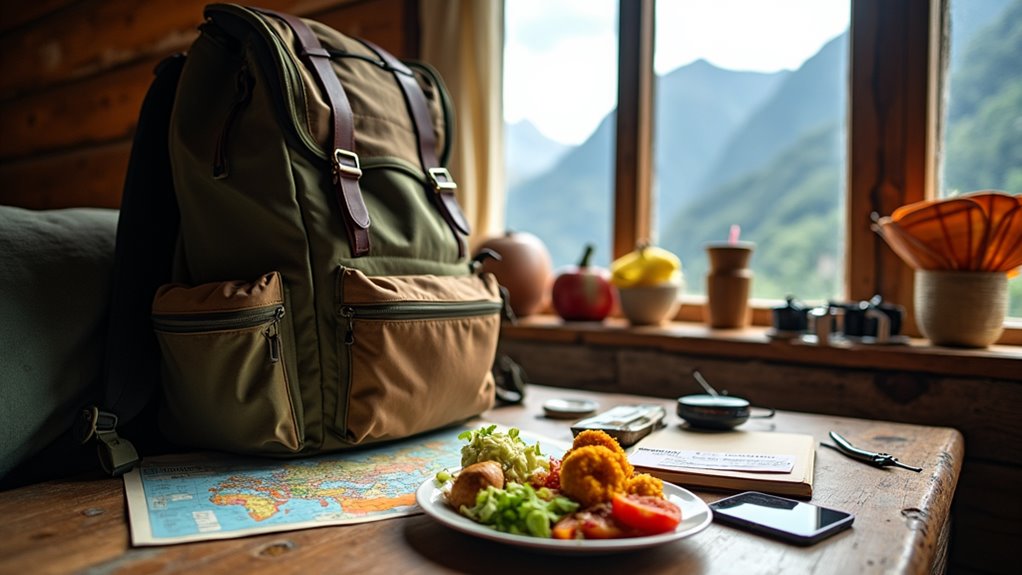
Food expenses add up quickly, so opt for local street food, which offers authentic flavors at lower prices. Cooking your own meals in hostel kitchens or guesthouses will further reduce costs, and you should take advantage of free food offers where available.
Bring snacks from home, especially for long travel days, and avoid tourist-centric restaurants in favor of local eateries.
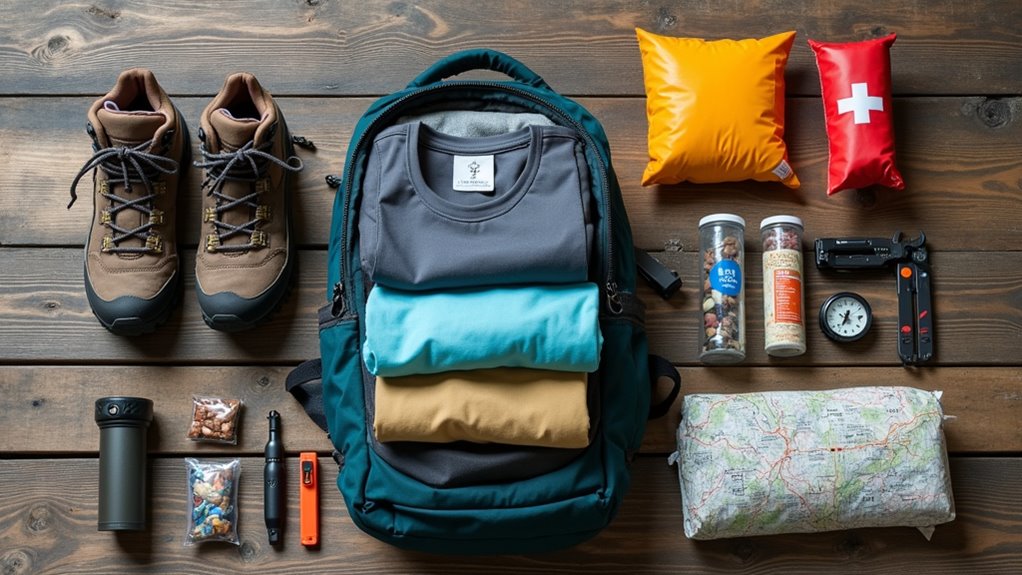
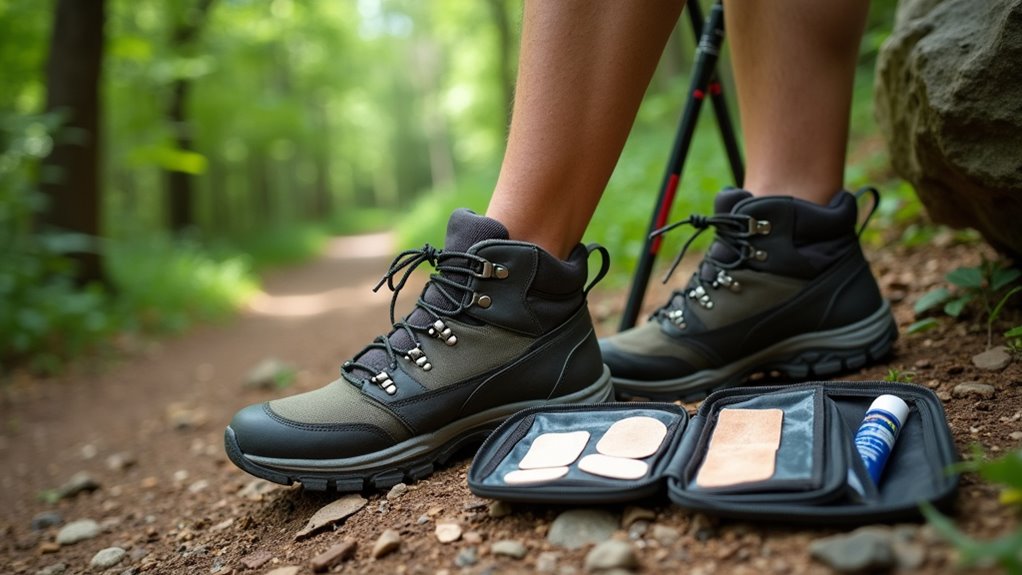
When it comes to gear, buy only essential items, considering used equipment or backpacking bundles for discounts. Sharing gear with others can minimize expenses, and synthetic materials provide affordable functionality.
With disciplined planning and resourceful choices, you’ll affordably experience the world’s diversity and adventure.