You’ll see Thailand’s sustainable tourism transformed by bio-hacked wellness, as top resorts like Chiva Som and Kamalaya integrate cellular therapies, stem cell treatments, and advanced diagnostics with eco-friendly infrastructure and renewable energy. These facilities use local resources for natural treatments, invest in community-based economic development, and follow the nation’s Bio-Circular-Green framework. If you’re interested in how cutting-edge health technologies and responsible tourism practices are setting a new standard across Asia, there’s much more to discover ahead.
How has Thailand positioned itself at the forefront of bio-hacked wellness and sustainable tourism? By combining advanced biohacking practices with sustainable tourism models, Thailand has created a unique niche that attracts health-conscious travelers. Biohacking, which involves making targeted changes to your biology for improved health—similar to hacking a computer—has become a core offering at several Thai wellness resorts.
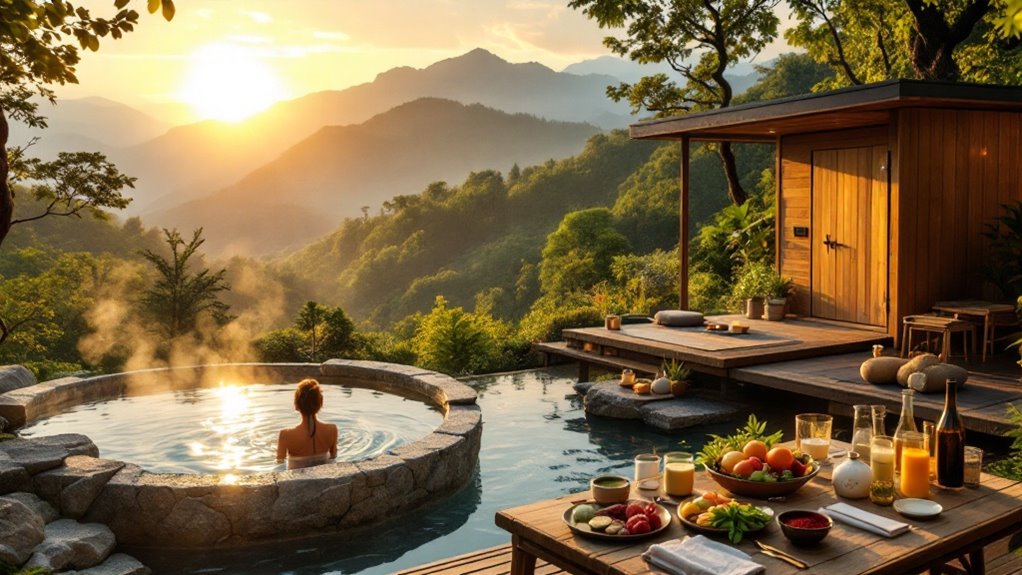
At Chiva Som International Health Resort, you can access treatments like stem cell therapy and electromagnetic therapies designed for cellular regeneration. Kamalaya Wellness Sanctuary also provides integrative healing, including IV and ozone therapies, while Kapuhala Koh Samui emphasizes natural wellness experiences in a serene setting. These facilities utilize Thailand’s rich biodiversity, offering natural treatments supported by local flora and fauna. Notably, some of Thailand’s leading wellness retreats also feature cryotherapy and oxygen bars, reflecting the growing trend of integrating advanced health technologies into holistic spa environments.
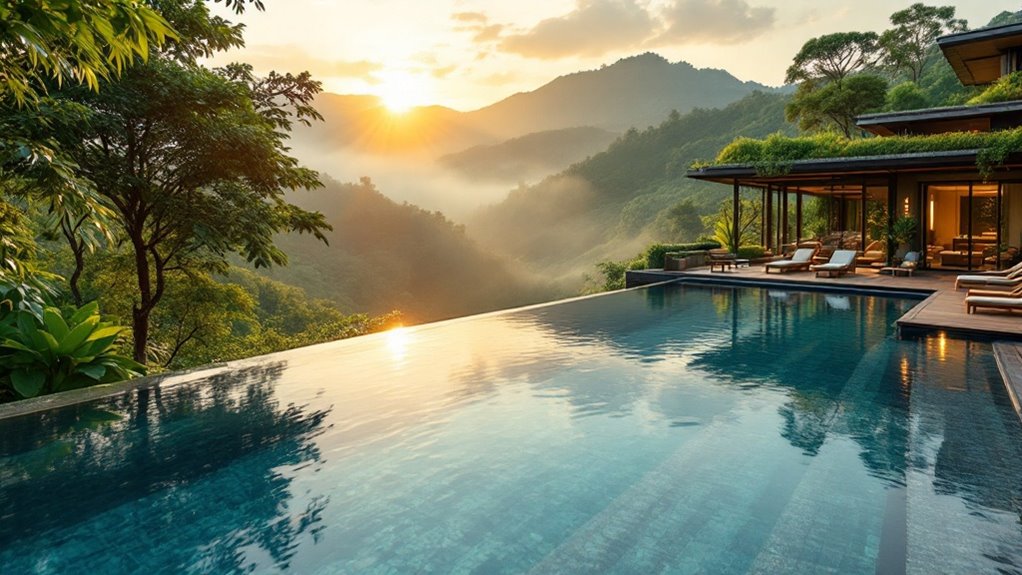
Thailand’s commitment to sustainable tourism is evident in its adoption of the Bio-Circular-Green (BCG) economy, a strategic framework that integrates bioeconomy, circular economy, and green economy principles. If you visit these wellness resorts, you’ll likely notice eco-friendly infrastructure, renewable energy sources, and sustainable practices aimed at minimizing environmental impact. Many such destinations, like eco-conscious luxury glamping resorts on Thai islands, are designed to immerse guests in nature while championing responsible tourism.
Thailand’s wellness resorts lead with the Bio-Circular-Green economy, showcasing eco-friendly design, renewable energy, and impactful sustainability practices throughout.
Many retreats are designed to blend with the natural environment, preserving local ecosystems while providing guests with holistic wellness experiences. You’ll find that wellness tourism in Thailand isn’t just about personal health; it’s also about supporting local communities and environmental restoration.
Resorts often invest in agrotourism and low-carbon tourism initiatives, channeling tourism revenue back into rural areas and promoting cultural preservation. Community engagement is a priority, with programs that involve locals in sustainable tourism activities, ensuring economic benefits are more widely distributed.
Biohacking’s influence extends beyond individual wellness. Resorts offer personalized health programs using advanced diagnostics and medical expertise, focusing on longevity, liveliness, and mental performance. Technologies such as cryotherapy and oxygen bars are commonly available, enhancing the overall wellness experience.
The influence of European pioneers like SHA Wellness Clinic is also evident, as Thai resorts adopt similar holistic and technological treatments. As you explore these destinations, you’ll see how Thailand’s approach merges cutting-edge health science with responsible tourism, setting a new standard for sustainable wellness travel in Asia.