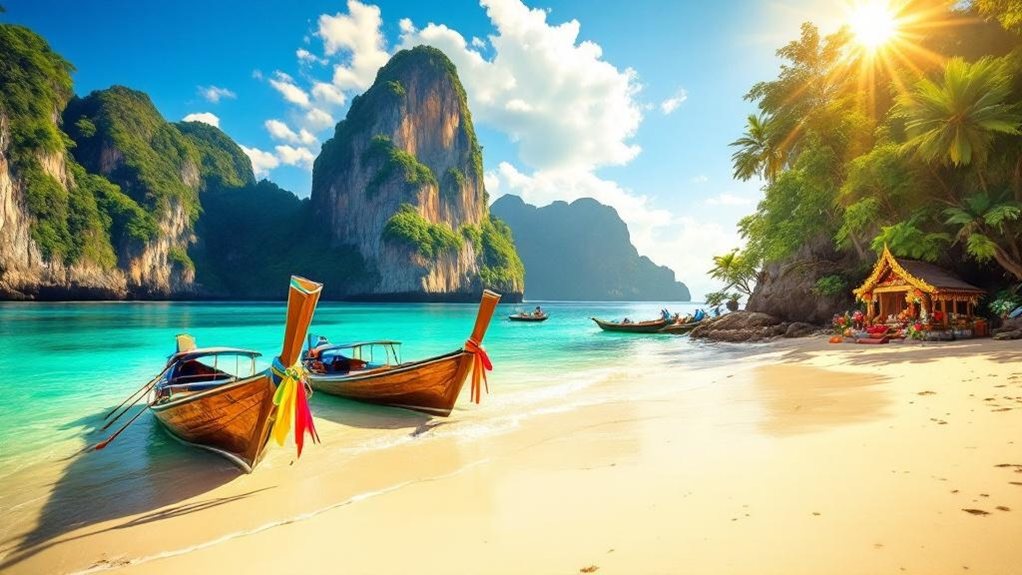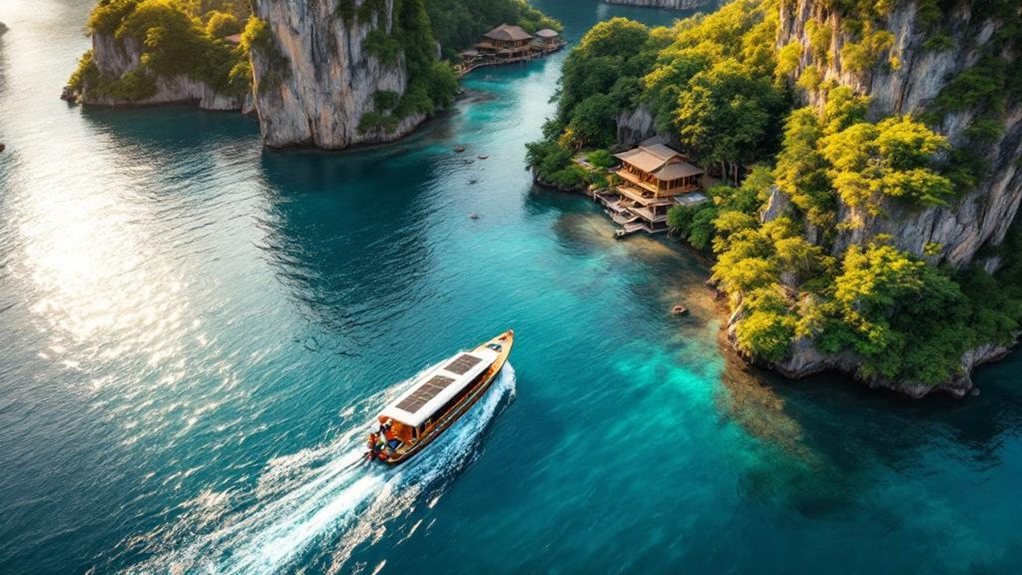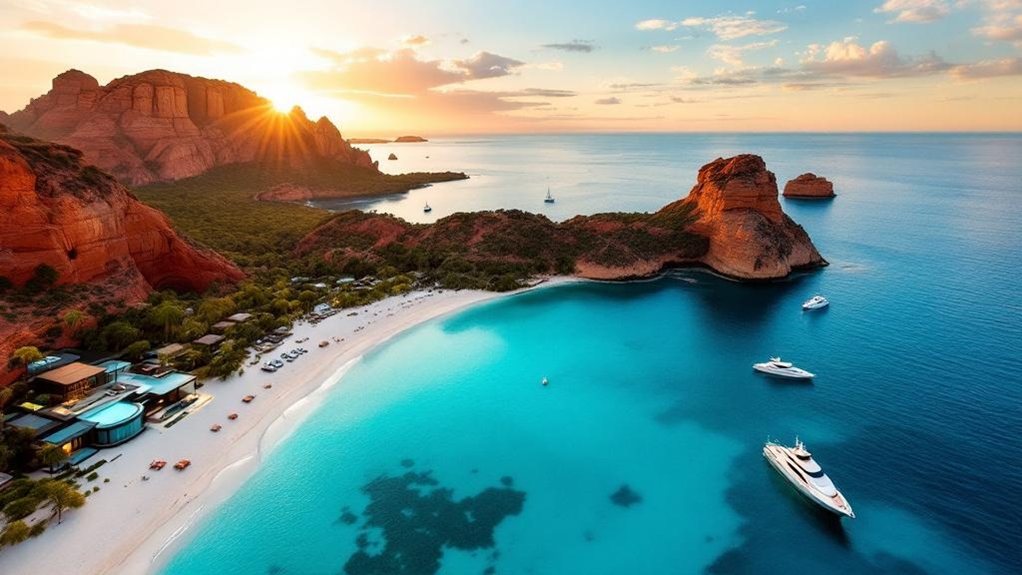
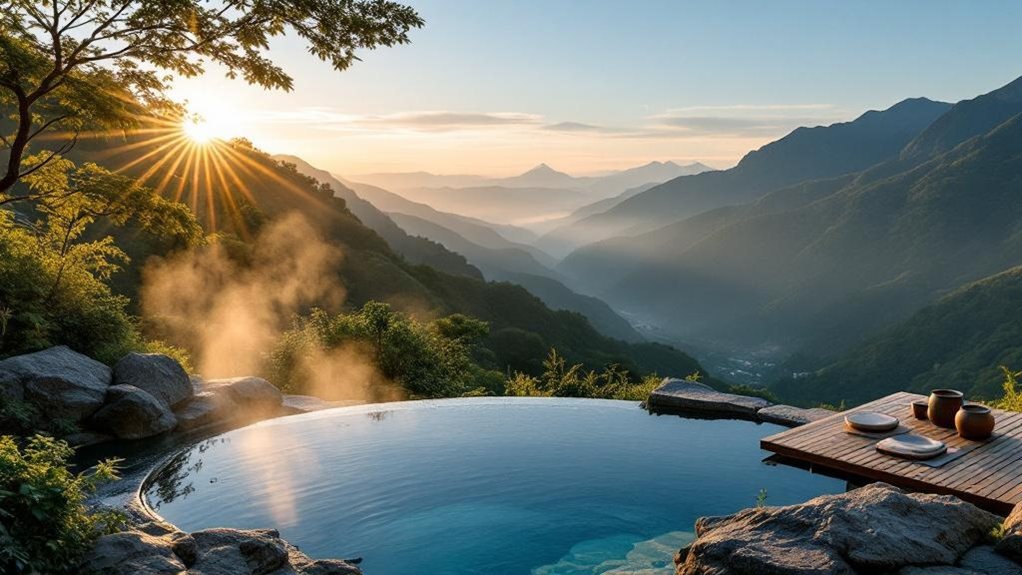
Australia is strengthening its position in Asia’s elite travel market by planning the largest delegation ever for ILTM Asia Pacific in 2025. The nation aims to leverage the fast-growing luxury tourism market in the Asia-Pacific, focusing on key partnerships with China, India, and Singapore. With a projected luxury travel market growth fueled by rising disposable incomes and sustainability trends, Australia’s participation signifies a strategic move to attract high-net-worth individuals. Explore further to discover the impact of these initiatives.
As Australia positions itself as a premier destination for luxury travel, the market is poised for substantial growth, with its value projected to reach approximately USD 39.9 billion in 2024. This growth trajectory is further supported by an anticipated compound annual growth rate (CAGR) of 6.34% from 2025 to 2033, with expectations to achieve USD 69.3 billion by 2033.
Within this flourishing market, the luxury hotel sector is set to expand at a CAGR of 1.8% between 2025 and 2034, driven by global tourism trends and increasing disposable incomes.
Luxury hotels in Australia will grow by 1.8% annually from 2025 to 2034, influenced by global tourism trends.
A notable aspect of this expansion is Australia’s strategic focus on the booming Asia-Pacific luxury travel market. This region is recognized as the fastest-growing luxury travel market globally, anticipated to grow at a CAGR of 9.6% from 2025 to 2030. Tourism Australia is leveraging this opportunity by participating in events like the ILTM Asia Pacific, where it showcases Australia’s premium tourism offerings to potential partners and travelers.
Responding to this opportunity, Australia is enhancing its participation in the high-end travel sector through initiatives like leading its largest delegation at the ILTM Asia Pacific 2025. This involvement underscores its commitment to strengthening partnerships with key Asian markets, including China, India, and Singapore.
The shift from traditional to experiential luxury is reshaping consumer preferences, with an emphasis on authentic cultural engagement and environmental interaction. There’s a rising demand for bespoke wellness retreats, culinary experiences, and private tours, all reflecting global luxury trends.
Australia is capitalizing on these preferences by offering personalized, sustainable travel experiences that highlight its natural beauty and cultural heritage.
Major urban centers such as Sydney, Melbourne, and Brisbane are emerging as luxury hotel hubs, while destinations like the Gold Coast and the Great Barrier Reef continue to attract high-end travelers.
These locations offer curated experiences that emphasize local culture and the natural environment, catering to the desires of high-net-worth individuals from the Asia-Pacific region.
Rising disposable incomes among both domestic and international travelers further fuel this demand. Australia’s strategy to position itself as a prominent luxury travel destination within the Asia-Pacific resurgence hinges on its ability to offer nature, culture, hospitality, and exclusivity, thereby reinforcing its appeal in the elite travel scene.
Sustainability initiatives are becoming increasingly important, with many luxury hotels in Australia adopting eco-friendly designs and practices to align with the eco-conscious values of modern travelers.