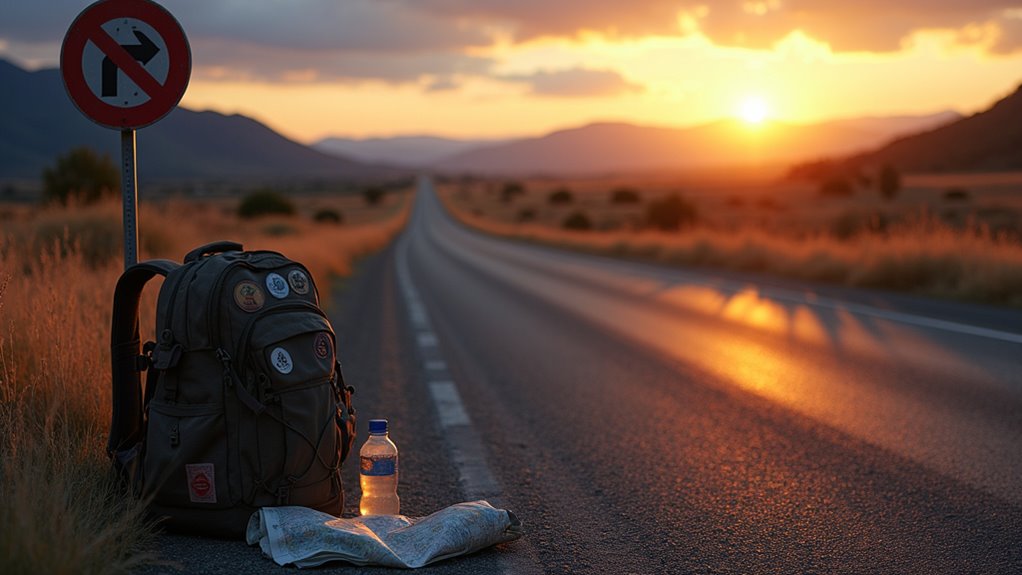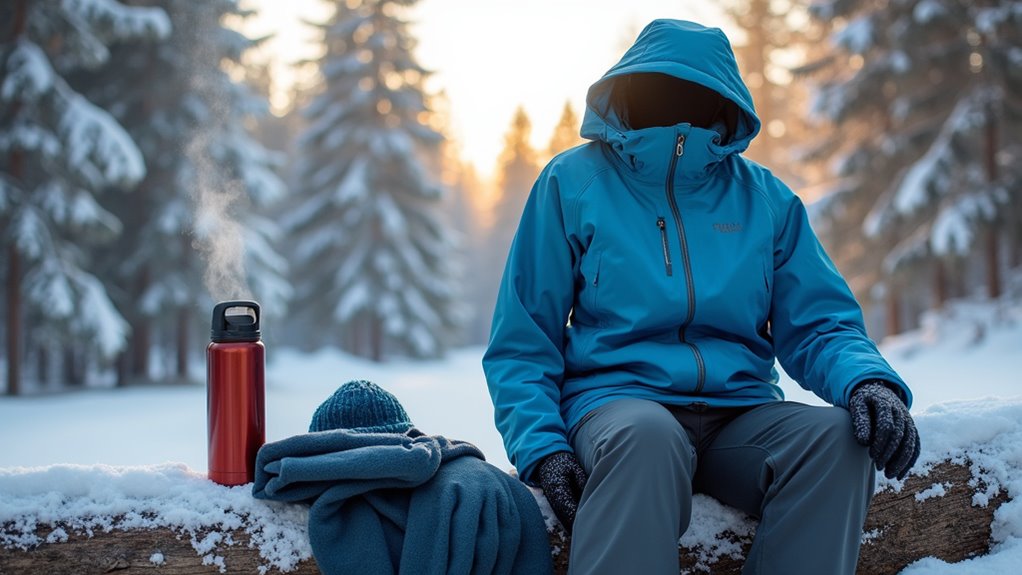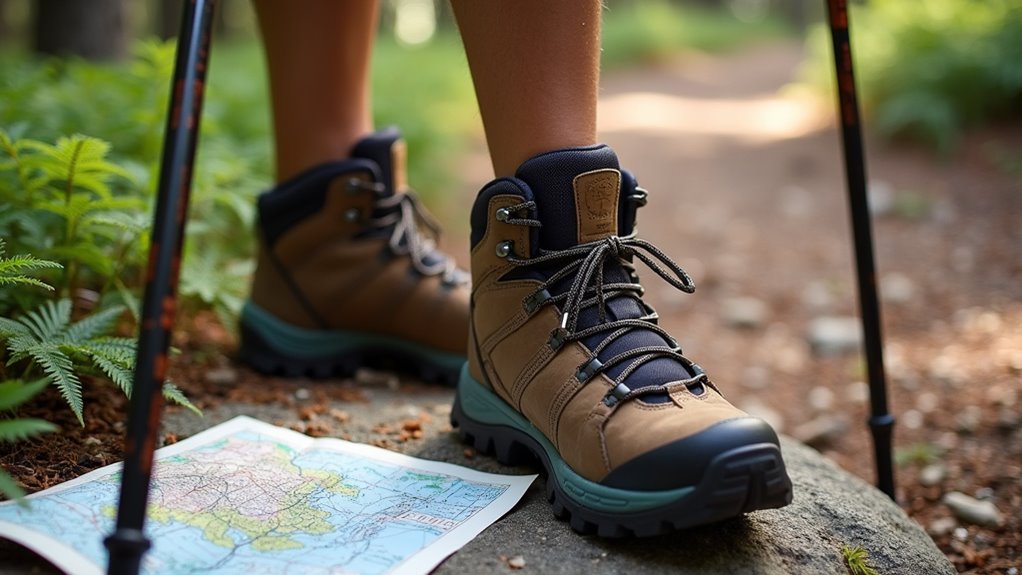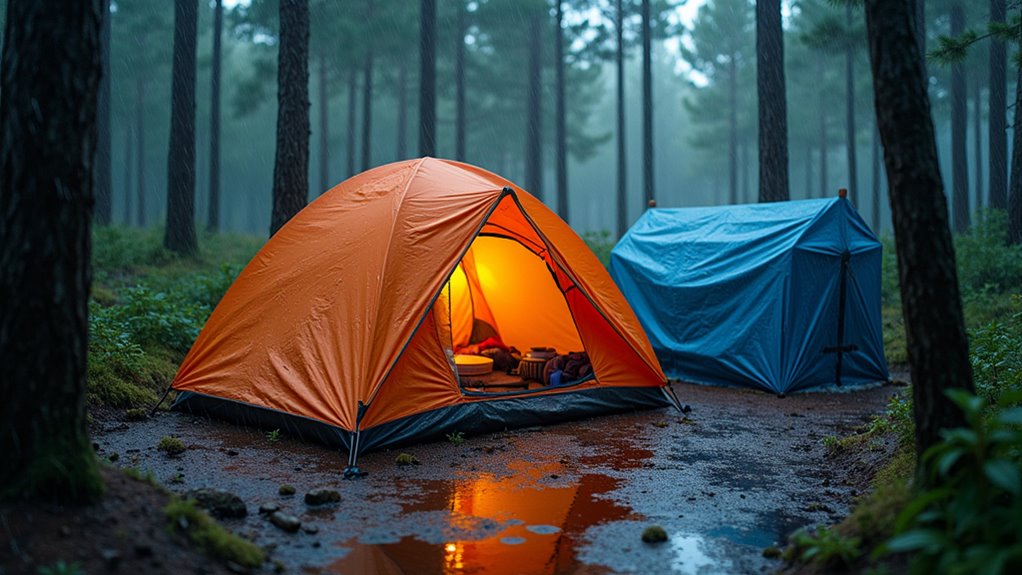
To plan a backpacking vacation, you’ll need at least a few weeks for simple overnight trips, but multi-day or international routes require several months of preparation. This is crucial since permits for popular destinations often get claimed months in advance, and accommodations or shuttles can book up quickly, especially during peak seasons. Trail closures, weather, and transportation logistics can affect your plans, so starting early guarantees you secure needed reservations. Further details and practical tips can help you organize each step with confidence.
Whether you’re planning a weekend trek or a multi-week expedition, organizing a backpacking vacation requires careful attention to logistics, timing, and preparation. The timeline for planning depends heavily on the trip’s complexity, duration, and destination. For simple overnight trips on local trails, you might need just a few weeks to prepare. However, for multi-day or international backpacking vacations, you should start planning several months in advance. This lead time allows you to research trail conditions, seasonal weather patterns, and any environmental restrictions that could affect accessibility.
Securing permits is often the first major step. Some popular destinations issue permits through lotteries or have strict quotas, so applications must be submitted months ahead of your intended travel dates. If you’re unable to get a permit for your first-choice route, you’ll need time to evaluate alternative trails or adjust your itinerary. Permit costs and overnight restrictions can also influence your planning window, especially if you’re coordinating with a group. Permits help track use and prevent overuse of areas; obtaining a permit is essential for both conservation and legal access.
Permits for popular trails often require applications months in advance—plan early and be ready with backup options in case your first choice fills up.
You’ll want to choose your destination based on trail accessibility, proximity to resupply points, and environmental sensitivity. Some trails are closed during certain seasons due to snow, flooding, or wildlife activity. Popular routes may experience heavy crowding in peak months, so assess whether you prefer solitude or don’t mind the company of other hikers. Unique landscapes, historical sites, and access to medical facilities are also factors you should weigh early in your planning process. Before your trip, it’s important to make pre-trip preparations such as transferring photos off your camera and ensuring you have left an itinerary with someone for safety.
Travel logistics require advance coordination. You’ll need to arrange transportation to the trailhead, book accommodations before and after your trek, and potentially hire shuttle services if you’re doing a point-to-point hike. If you plan to bike back to your starting point, organize the necessary logistics beforehand. For high-demand destinations like national parks or famous trails, be prepared to book accommodations and transportation up to 6-12 months in advance during peak seasons.
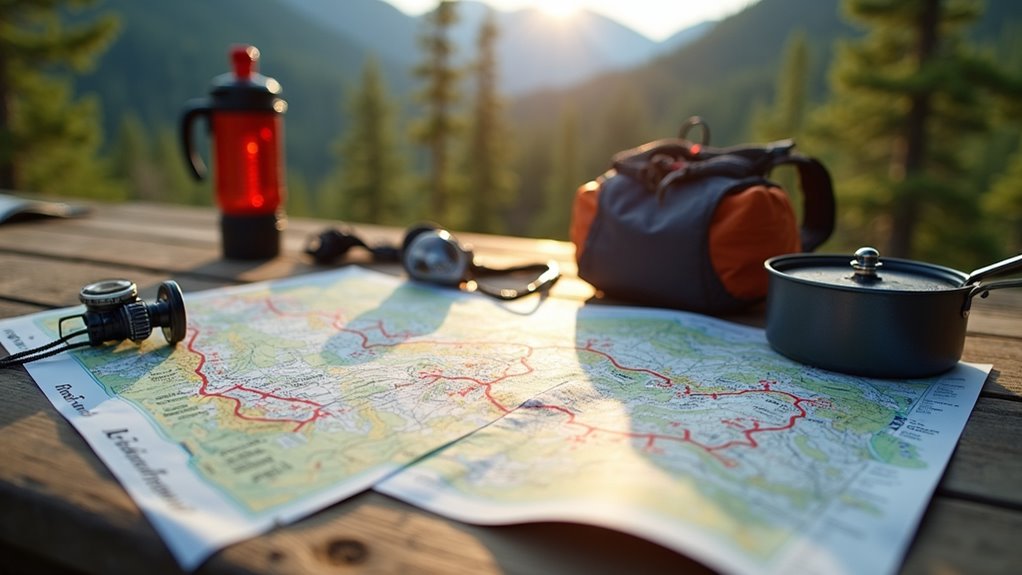
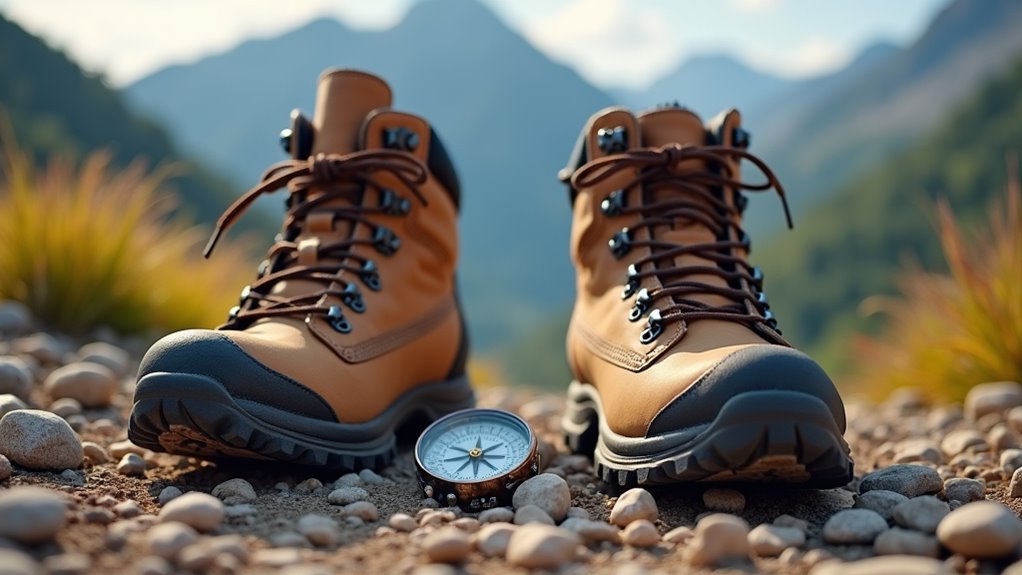
Physical and gear preparation should begin well in advance. Create a training plan to build endurance and test new gear to verify it works as intended. Use a detailed gear checklist, adjust for seasonal conditions, and distribute shared equipment among group members.
Mental readiness and risk assessment are also critical, so build flexibility into your itinerary to accommodate unexpected challenges.