To stay warm while winter camping, layer moisture-wicking base clothing, insulated mid-layers, and a waterproof outer shell, making sure to avoid cotton. Use a sleeping bag rated colder than the forecast, add an insulated blanket, and combine foam with inflatable sleeping pads for ground insulation. Place a hot water bottle in your sleeping bag, and always change into dry clothes before sleeping. Set up camp in sheltered areas, and use windbreaks for extra protection. More advanced techniques come next.
When winter camping, staying warm is essential for safety and comfort, as low temperatures and moisture can quickly lead to dangerous conditions. You need to build an effective clothing system by starting with midweight base layers and fleece pants, which provide critical insulation for your core and legs. Layer a puffy coat and waterproof outer shell on top to block wind and precipitation. Wool socks, insulated gloves, and a neck warmer are necessary to prevent heat loss from your extremities, which are highly susceptible to cold injury.
Always avoid cotton, since it insulates poorly and retains moisture, increasing your risk of hypothermia. At night, sleep in minimal dry clothing to allow flexibility for layering during the day, but keep your base layers moisture-wicking to stay dry and warm. Ground insulation is crucial for staying warm, so make sure to use a good sleeping pad or mat underneath you to minimize heat loss to the cold earth.
Avoid cotton—it traps moisture and loses warmth. Sleep in minimal dry, moisture-wicking layers to stay flexible and comfortable overnight.
Your sleeping system must match the environment. Choose a sleeping bag rated at least 10–20°F colder than the lowest expected temperature, and shake it thoroughly before use to redistribute insulation. Adding a Rumpl blanket or insulated quilt over your sleeping bag increases warmth.
Use a closed-cell foam pad underneath your inflatable sleeping pad for ground insulation, which is critical because cold ground rapidly saps body heat. Keep your head uncovered while sleeping to avoid moisture buildup inside the insulation, which can degrade warmth.
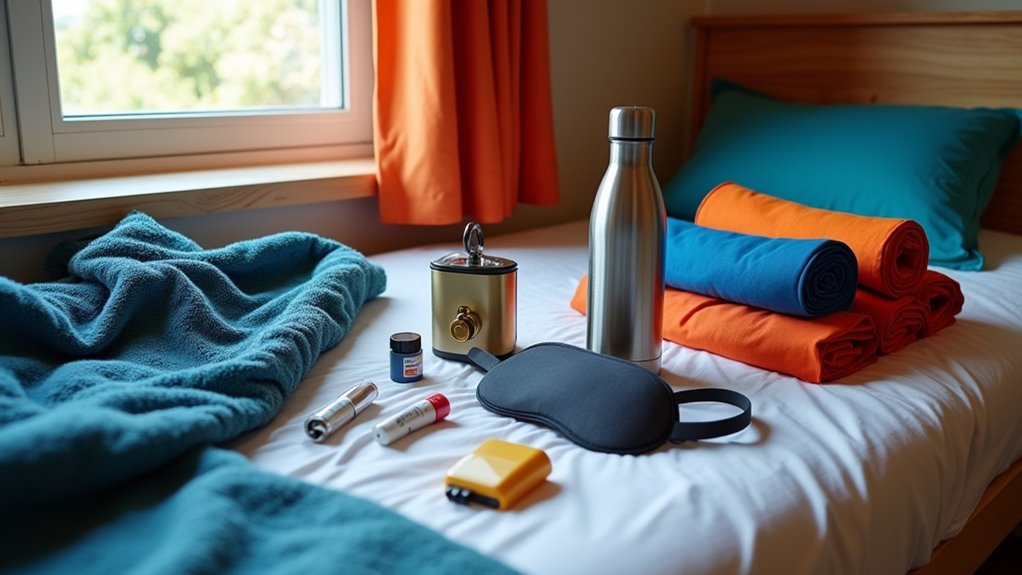
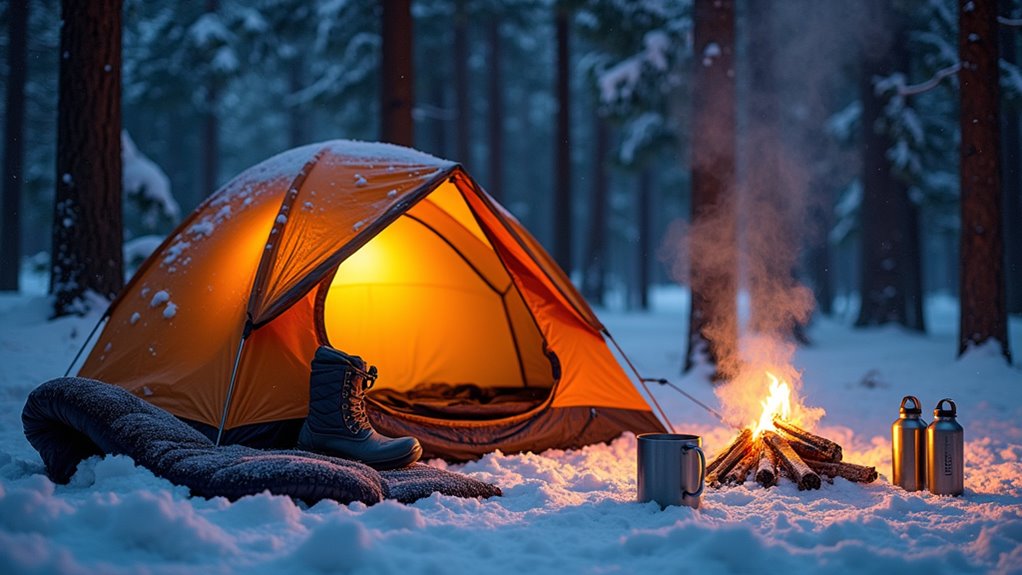
Supplement heat by filling a Nalgene bottle with hot water and placing it at your feet inside the sleeping bag. Disposable hand warmers can boost warmth, though avoid using electronic hand warmers inside sleeping bags, as they may create safety hazards. For extended trips or group use, hot tents with wood stoves can maintain ceiling temperatures above 90°F, though fire safety around tents is paramount.
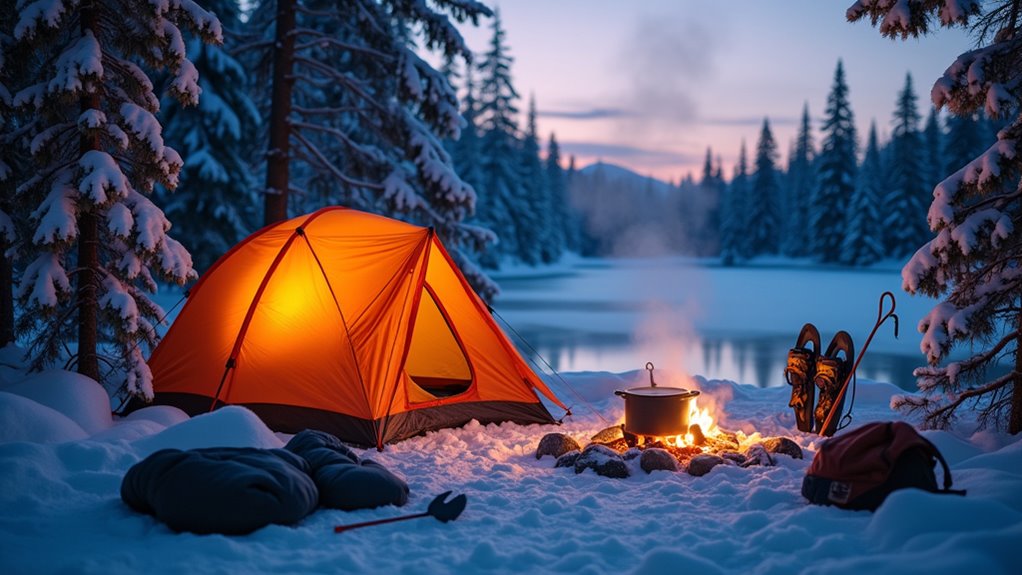
Select campsites in protected areas, not wind tunnels, and set up on ground previously warmed by a fire when possible. Use windbreak tarps and insulate the tent floor with mats or blankets. Consider using natural insulation such as leaves, pine needles, or grass under your sleeping pads or tent floor to add an extra barrier against the cold ground. Regular weather monitoring is essential for adjusting your shelter and clothing strategies as conditions change throughout your trip.
Before bed, perform light exercise, eat a high-calorie snack, change into dry clothes, and empty your bladder to reduce heat loss overnight. Always vent your tent to manage moisture, keep electronics in inner pockets, and air out your sleeping bag during the day to maintain insulation performance.