For backpacking, you’ll need a durable backpack, waterproof sacks, and a lightweight yet weather-appropriate tent with a rated sleeping bag and pad. Always pack layered clothing for insulation, sturdy boots suited to the terrain, and rainwear. Carry navigation tools like maps, compass, and a backup GPS. Make certain you have a water filtration system, high-calorie meals, stove, first aid kit, and emergency communication device. These items maximize comfort, safety, and self-reliance—there are further details to take into account for advanced preparation.
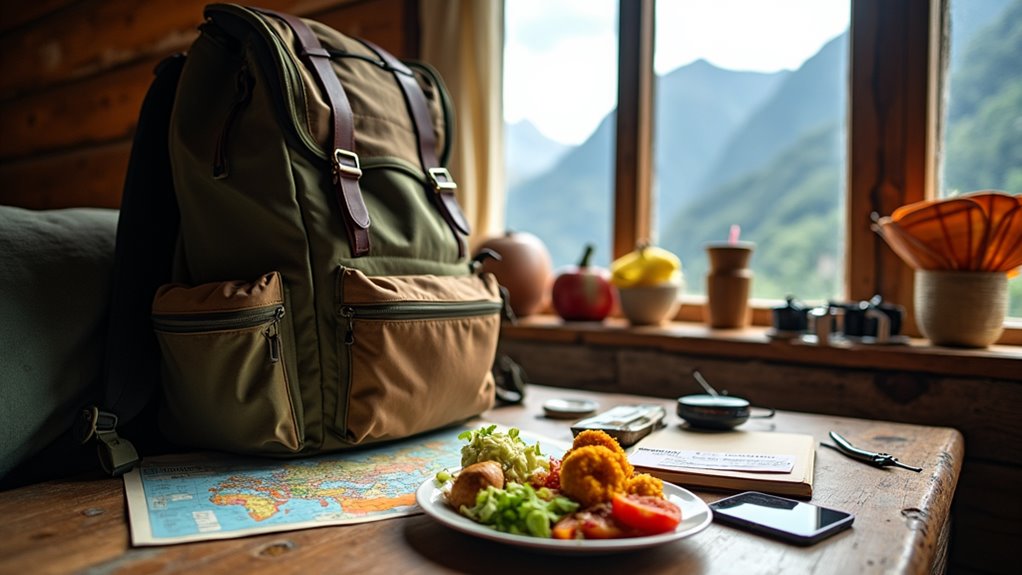
When you plan a backpacking trip, packing the right gear is vital for safety, comfort, and efficiency on the trail. Start by choosing a durable backpack that matches the duration of your trip and the volume of gear you need to carry. To protect your belongings from moisture, use waterproof stuff sacks or trash compactor bags inside your pack, and bring large resealable plastic bags for trash or extra storage. For easy access to electronics like a camera or GPS, attach a shoulder strap pocket or an external pouch. If you intend to take short hikes from a base camp, a lightweight summit pack or daypack will help you carry essential items without your full kit. A well-organized travel document pouch will keep your identification, permits, and emergency contacts secure and accessible during your journey.
Packing the right gear ensures your safety, comfort, and efficiency—choose a reliable backpack and organize essentials with waterproof bags and accessible pouches.
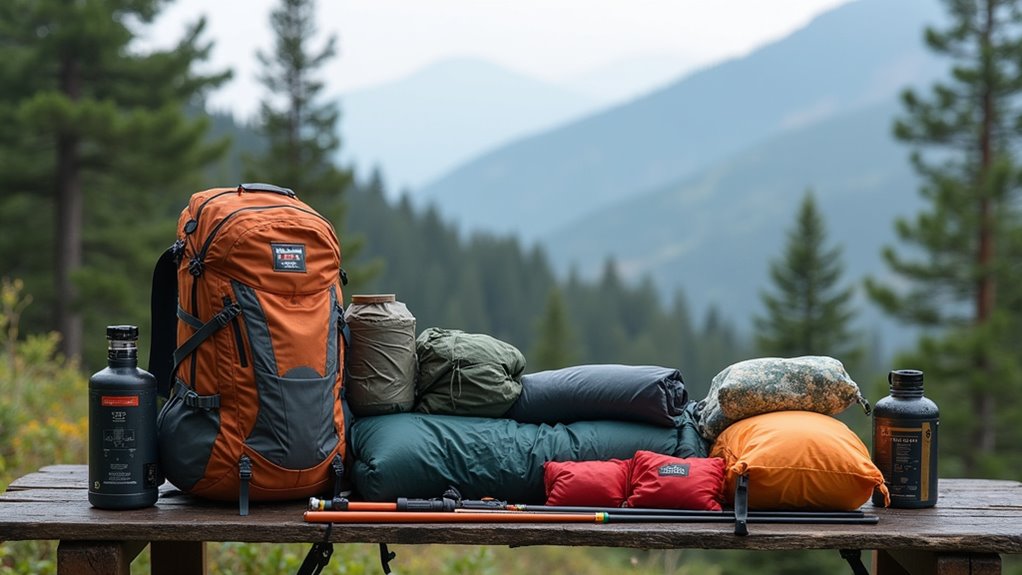
Shelter and sleep systems are fundamental for a secure night outdoors. Select a lightweight tent with a rainfly and stakes suited to the season and terrain, and consider if trekking poles can double as tent supports. A sleeping bag rated for the expected nighttime lows and a compressible sleeping pad guarantee warmth and comfort, while a groundsheet or footprint extends your tent’s durability. One essential item not to forget is a three-season sleeping bag, which ensures you stay warm in most conditions you’ll encounter during backpacking trips.
For clothing, wear hiking boots tailored to the terrain, and pack moisture-wicking underwear, quick-drying shirts and pants, and extra insulating layers such as a fleece jacket, gloves, and a hat. Always include rainwear and optional items like gaiters, sandals for stream crossings, and a bandana or neck buff for protection from sun and insects.
Navigation and safety tools are non-negotiable. Carry a map and compass in waterproof cases, and supplement them with a GPS device or altimeter watch for route tracking. For emergencies, a satellite messenger or locator beacon, as well as a signaling mirror and whistle, provide critical communication methods. Bring a trail guidebook or route description for reference.
Food and water management requires carrying enough calories—dehydrated meals, energy bars, and an extra day’s supply—plus water bottles or hydration reservoirs, and water treatment options. Use a lightweight stove and cookware, and keep food secure from wildlife in a bear canister or hung food sack.
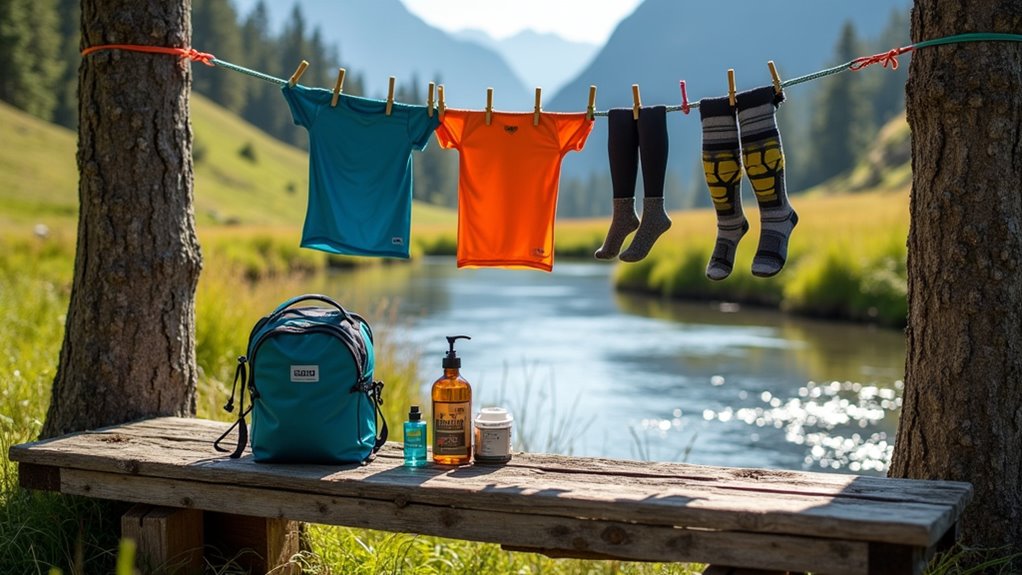
Lastly, pack a first aid kit, emergency bivvy, hygiene supplies, quick-repair kit, sunscreen, insect repellent, trekking poles, and a headlamp with extra batteries for preparedness and comfort throughout your trip.